
.avif)
How to Install Outdoor Electrical Outlets Safely — Practical Tips, Code Notes, and Pro Advice
Adding outdoor electrical outlets makes your yard more useful — for lights, tools, or holiday décor. This guide walks you through safety basics, planning tips, and step-by-step instructions so you can install outlets the right way or know when to call a pro. Electrical work around the house isn’t the place for guesswork: following code and protecting against moisture are the priorities. Read on for what to check, how to prepare, and when to reach out to a licensed electrician. A well-planned and executed outdoor electrical system not only enhances convenience but also significantly boosts the safety and enjoyment of your outdoor living spaces.
What Are the Essential Safety Standards for Outdoor Electrical Outlet Installation?
Safety comes first when you work outdoors. The National Electrical Code (NEC) sets the baseline rules for outdoor receptacles — most importantly, the requirement for Ground Fault Circuit Interrupter (GFCI) protection on outdoor outlets to reduce shock risk. Local building departments can add rules too, so check your local codes before you start. Following both NEC guidelines and local requirements keeps your installation safe and code-compliant, preventing potential hazards and ensuring long-term reliability for your outdoor electrical system.
How Does the 2023 National Electrical Code Affect Outdoor Outlet Requirements?
The 2023 NEC tightened some outdoor requirements to better protect people and equipment. Practically, that means GFCI protection for outdoor receptacles and clearer guidance on keeping outlets out of direct moisture. The code doesn’t mandate a single minimum mounting height like “12 inches,” but it does require weatherproof enclosures and that outlets remain accessible. These changes are meant to cut down on accidents and water-related failures, reflecting an ongoing commitment to public safety and the prevention of electrical incidents in outdoor environments.
Historical electrical codes also emphasized specific construction rules and clearances for outdoor installations to ensure safety. These foundational principles continue to inform modern electrical practices, ensuring a consistent standard of protection across different eras of electrical development.
Historical National Electrical Safety Code (excerpt)
In each such case the minimum clearances and strength shall be those required by the construction rules of the National Electrical Safety Code, Part 2.
National electrical code, 1928
Why Is GFCI Protection Mandatory for Outdoor Receptacles?
GFCI protection matters because it senses current imbalances and shuts power off quickly — often fast enough to prevent serious injury. Outdoors, where moisture and tools are common, that extra layer of protection is essential. GFCI outlets have helped lower the number of electrical shocks and fatalities, which is why the code requires them for outdoor use. This rapid response mechanism is crucial in environments where water contact or damaged insulation could otherwise lead to severe electrical hazards.
How to Plan Your Outdoor Electrical Outlet Installation Project?
Which Location Factors and Local Codes Should You Consider?
Pick outlet locations that are convenient, sheltered where possible, and easy to reach for whatever you plan to plug in. Use weatherproof boxes and covers rated for outdoor use. Before you cut or run wiring, check local code rules for placement, box type, and mounting. A quick call to your local permitting office can save time and prevent rework, ensuring your installation meets all necessary regulations and is aesthetically integrated with your outdoor space.
What Tools and Materials Are Needed for Safe Installation?
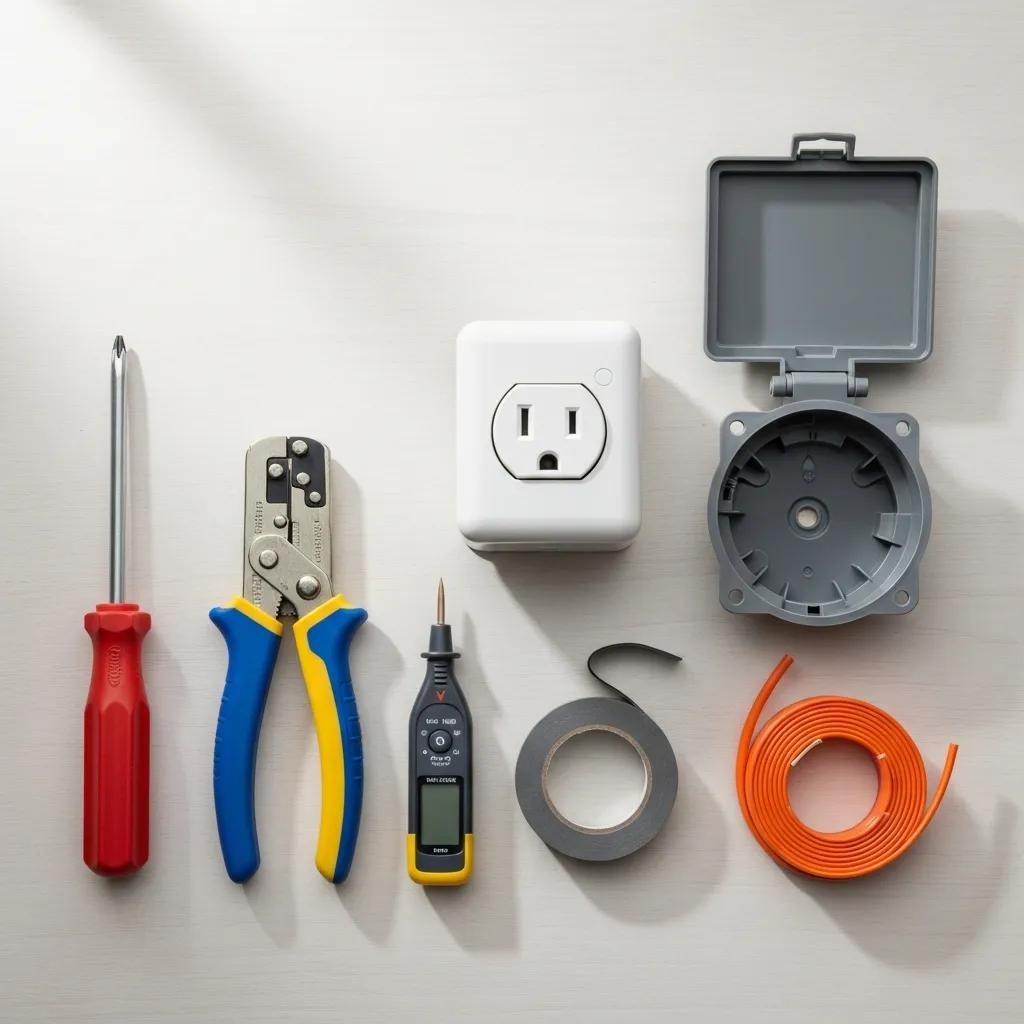
Gather these essentials before you start: Using high-quality, outdoor-rated tools and materials is paramount for a durable and safe installation that can withstand the elements.
- Tools: Screwdriver, wire stripper, non-contact voltage tester, drill, and level.
- Materials: Weatherproof (and "in-use" if needed) covers, GFCI outlets, outdoor-rated cable or conduit, and outdoor junction boxes.
What Are the Step-by-Step Instructions for Installing an Outdoor GFCI Outlet?
How to Safely Turn Off Power and Prepare Installation Areas?
Always shut off the circuit at the breaker and confirm power is off with a voltage tester. Clear the work area, keep it dry, and make sure you have good lighting. Taking a few minutes for these safety steps prevents common, avoidable accidents. It's also wise to inform other household members that you are working on the electrical system to prevent accidental power restoration.
What Are the Proper Wiring and Weatherproofing Techniques?
- Connect the Ground Wire: Fasten the ground to the green grounding screw on the outlet.
- Connect the Hot Wire: Attach the black (hot) conductor to the brass terminal.
- Connect the Neutral Wire: Secure the white (neutral) conductor to the silver terminal.
After wiring, install a listed weatherproof cover. If you want to use the receptacle while the cover is closed, choose an "in-use" cover rated for that purpose. Proper sealing and the right cover keep moisture out and the outlet working safely over time, protecting against corrosion and short circuits.
What Advanced Considerations Should You Know for Outdoor Electrical Outlets?
When Are Dedicated Circuits and Load Management Required?
Use a dedicated circuit when you plan to run high-demand equipment — heaters, multiple power tools, or heavy lighting arrays. A dedicated feed prevents nuisance trips and reduces fire risk from overloaded circuits. If you’re unsure how much load your project needs, let a licensed electrician calculate it for you. This proactive approach ensures your electrical system can handle the demand without compromising safety or efficiency, potentially saving on future repair costs.
How Can Smart Outdoor Outlets Integrate with Your Home System?
Smart outdoor outlets add convenience and security. They let you schedule lights, control plugs from your phone, and tie into voice assistants. If you install smart devices outdoors, choose products rated for outdoor use and make sure they’re on protected circuits to avoid damage from storms or power issues. These devices can transform your outdoor space into a dynamic, automated environment, enhancing both functionality and energy management.
When Should You Call a Licensed Electrician for Outdoor Outlet Installation?
What Are the Benefits of Professional Installation and Code Compliance?
A licensed electrician ensures the job meets local code and is done safely. Professionals handle complex wiring, troubleshoot unexpected problems, and pull permits when required. Hiring a pro protects your home, keeps your warranty intact, and gives you confidence the work is done right. Their expertise not only guarantees compliance but also provides peace of mind, knowing your electrical system is installed to the highest standards.
How Does Martin's Heating & Air Conditioning Support Emergency Electrical Needs?
Martin's Heating & Air Conditioning is a family-owned company serving South Lafourche and South Terrebonne, including Galliano, LA. We offer electrical services and emergency response for outdoor outlet issues. If you need help, our local team can assess the situation, make safe repairs, and bring installations up to code. Our commitment to the community means reliable, expert service is always just a call away, ensuring your home remains safe and functional.
In short: follow safety rules, plan your layout, use proper materials, and weatherproof carefully. If any step feels unclear or risky, call a licensed electrician. With the right approach, outdoor outlets will make your yard safer and more useful for years to come. Enjoy the enhanced functionality and peace of mind that a properly installed outdoor electrical system brings.
Frequently Asked Questions
What are the common mistakes to avoid when installing outdoor electrical outlets?
Common mistakes include skipping GFCI protection, ignoring local code, and using the wrong covers or outdoor-rated wiring. People also forget to turn off power or fail to seal boxes against moisture. Plan ahead, verify code requirements, and use the right outdoor parts to avoid these issues, ensuring a safe and compliant installation from the start.
How can I ensure my outdoor outlets are safe from weather conditions?
Use weatherproof boxes and listed "in-use" covers, install outlets with GFCI protection, and place boxes where they're shielded from direct spray when possible. Check seals and components regularly and replace anything that shows wear or corrosion. Proactive maintenance and quality components are key to protecting your outlets from the elements.
What should I do if my outdoor outlet is not working?
First check the circuit breaker for a trip and reset it if needed. Test the outlet with a voltage tester. If there’s still no power, the problem could be a wiring fault or a tripped GFCI upstream. When in doubt, call a licensed electrician to diagnose and repair safely, as attempting complex electrical repairs without expertise can be dangerous.
Can I install outdoor outlets myself, or should I hire a professional?
If you’re comfortable with basic electrical work and follow code, some homeowners handle simple outdoor outlet installs. For anything that requires new circuits, conduit runs, or a permit, hiring a licensed electrician is the safer choice. Professionals offer invaluable expertise and ensure the work meets all safety and code requirements, providing long-term reliability.
What are the benefits of using smart outdoor outlets?
Smart outlets let you control lights and devices remotely, set schedules, and improve security by making it look like someone is home. They can also help monitor energy use. Just choose outdoor-rated smart devices and put them on protected circuits. These features offer unparalleled convenience and can seamlessly integrate with your existing smart home ecosystem.
How often should I inspect my outdoor electrical outlets?
Inspect outlets at least once a year and before major weather seasons. Look for cracked covers, corrosion, moisture inside boxes, or loose connections. Address any issues quickly to prevent safety hazards and extend the life of the installation. Regular checks are a simple yet effective way to ensure ongoing safety and functionality.
Conclusion
Properly installed outdoor outlets make your yard easier to use and safer. Follow NEC and local code, use GFCI protection and outdoor-rated parts, and weatherproof every connection. When the job gets complex, call a licensed electrician — it’s worth the peace of mind. Ready to get started? If you need help, our team is here to assist. Enjoy the convenience and enhanced safety that a professionally installed outdoor electrical system brings to your home.
Talk to a Local HVAC Expert
Customer Testimonials
Ready to Tranform Your Home?
Contact us today to schedule service or get answers from our knowledgeable team.

Related Articles
How Long Do AC Units Last? Know When to Replace Yours
When should you replace your AC unit? Learn the average lifespan of air conditioners and key signs indicating it's time for a replacement. Keep your home cool!
Why Your AC Is Not Cooling: Common Causes & Solutions
Is your AC blowing hot air instead of cooling? Learn the common causes and effective solutions to restore comfort in your home. Stay cool this summer!

Spring HVAC Maintenance Checklist for Optimal Performance
Boost your HVAC system's efficiency this spring with my essential maintenance guide. Learn the best practices to ensure optimal performance all year round.

.avif)