Unreliable Cooling Systems Are Dangerous in High Humidity
Dealing with an underperforming AC during Golden Meadow’s muggy summers is more than an inconvenience; it can quickly become an unsafe situation for your family and your home infrastructure. You need a quick, reliable solution that restores your home's comfort without delay—call us to schedule a repair or discuss financing options immediately.
When the heat index rises, waiting days for a technician is not an option. We provide:
- Get same-day HVAC repair services—our technicians are ready to assist.
- Enjoy the assurance of 24-hour availability in case of emergencies.
- Benefit from our experienced technicians with over 55 years in the industry.
Licensed and fully compliant with all local regulations for your peace of mind.
Comprehensive Diagnostics and Immediate Repair Solutions
When your cooling system fails, you need to know exactly what is wrong and how fast it can be fixed. We do not operate on guesswork. Our approach to HVAC repair focuses on a systematic evaluation of the mechanical, electrical, and airflow components of your system. Martin's Heating & Air Conditioning arrives with fully stocked trucks, aiming to resolve the majority of issues in a single visit to restore your environment to a livable temperature.
Electrical Component Analysis
The majority of air conditioning failures in high-heat environments stem from electrical stress. Capacitors, contactors, and wiring harnesses are under constant load when the system cycles frequently. Our technicians inspect the electrical panel of the condenser and the air handler. We test the microfarad readings on run capacitors to ensure they are within manufacturer specifications. A weak capacitor forces the compressor to work harder, leading to overheating and eventual burnout. We also tighten all electrical connections, as vibration can loosen wires over time, creating resistance and potential fire hazards.
Airflow and Static Pressure Testing
A system that runs but does not cool often suffers from airflow restrictions. We measure the static pressure within the ductwork to identify blockages or crushed ducts that prevent cold air from reaching your living spaces. This includes inspecting the blower motor for dust accumulation and bearing wear. If the blower wheel is impacted by debris, it cannot move air efficiently across the evaporator coil, leading to coil freezing and water damage. We verify that the supply and return vents are balanced, ensuring that every room receives the correct volume of conditioned air.
Refrigerant Level Verification
Low refrigerant levels indicate a leak, as your AC system is a closed loop that does not consume Freon or Puron like a car consumes gas. We use precision gauges to measure subcooling and superheat temperatures. These metrics tell us exactly how much liquid refrigerant is in the condenser and how much vapor is returning to the compressor. If levels are low, we do not simply top it off. We utilize electronic leak detectors to locate the source of the leak, whether it is in the line set, the Schrader valves, or the coils themselves. Properly sealing the leak is the only way to ensure long-term efficiency and prevent future freeze-ups.
Condensate Drain Management
In areas with high humidity, your AC removes gallons of water from the air daily. This condensate must drain away from the unit effectively. Clogged drain lines are a primary cause of system shut-offs due to float switch activation. We clear the condensate trap and flush the line to remove algae, mold, and sediment buildup. We also inspect the emergency drain pan to ensure it is not rusting or holding water, which could lead to ceiling damage or structural rot if the primary drain fails.
The Repair Execution Process
We believe in transparency and efficiency. Our repair process is designed to minimize disruption to your day while ensuring the job is done correctly according to industry standards.
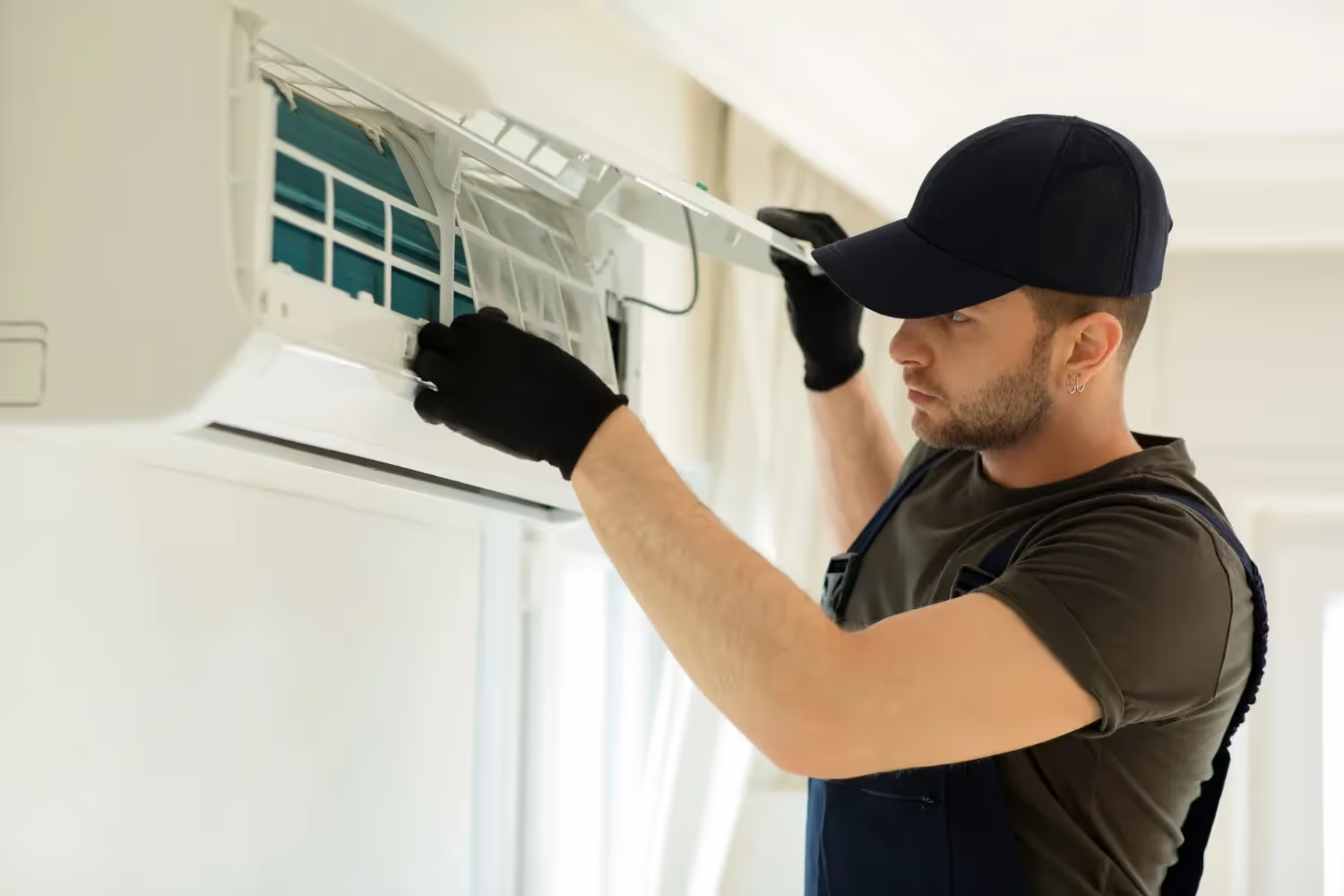
- Assessment and Isolation: Upon arrival, the technician listens to the homeowner's description of the issue and then isolates the system power to perform safe testing. We cycle the thermostat to replicate the failure mode and gather baseline performance data.
- Root Cause Identification: Using diagnostic tools such as multimeters, manometers, and thermal imaging cameras, we pinpoint the exact component causing the failure. We look beyond the symptom to find the cause—for example, a blown fuse is often a symptom of a seizing motor, not just a bad fuse.
- Upfront Explanation and Authorization: Once the issue is identified, we present a clear explanation of the failure and the required repair. You receive a breakdown of the work needed. We do not proceed with any repairs until you have authorized the scope of work.
- Component Replacement and Calibration: We remove defective parts and install OEM-quality replacements. After installation, we do not just turn the power back on; we calibrate the system. This involves adjusting blower speeds, checking refrigerant charges, and ensuring gas pressures (if applicable) are correct.
- Performance Verification: The repair is not complete until we verify the system is cooling effectively. We measure the temperature split—the difference in temperature between the air entering the return vent and the air leaving the supply vent. A healthy system typically shows a split of 18 to 22 degrees.
- Site Cleanup: We respect your property. All old parts, packaging, and debris are removed from the site. We ensure the work area is cleaner than we found it.
Determining When to Repair vs. Replace
Homeowners often face the difficult decision of whether to invest in another repair or opt for a full system replacement. While our primary goal is to repair your existing unit, there are mathematical and practical thresholds where replacement becomes the more financially sound option.
The 50% Rule
A general industry standard is the "50% Rule." If the cost of the necessary repair approaches or exceeds 50% of the value of a new system, replacement is generally recommended. This is particularly true if the unit is out of warranty. Spending thousands on a compressor for a 12-year-old unit is often throwing good money after bad, as other components are likely to fail shortly thereafter.
Age and R-22 Availability
Air conditioners typically last between 10 to 15 years, depending on maintenance history and usage intensity. If your system is over 12 years old and requires a major repair, replacement is usually the smarter path. Furthermore, older systems utilizing R-22 refrigerant (Freon) are becoming prohibitively expensive to service due to the phase-out of this chemical. Modern systems use R-410A or newer refrigerants, which are more environmentally friendly and affordable.
Frequency of Breakdowns
If you have required repairs more than twice in the last two years, your system is signaling the end of its reliable lifespan. Constant breakdowns indicate that the internal components are fatigued. Martin's Heating & Air Conditioning can provide an honest assessment of your system’s overall health, helping you calculate the cost of continued repairs versus the monthly energy savings of a high-efficiency replacement.
Efficiency Ratings (SEER)
Older units often have SEER (Seasonal Energy Efficiency Ratio) ratings of 10 or less. Modern standards require higher efficiency, often 14 SEER or above. Upgrading to a higher SEER unit can reduce electricity bills by 30% or more — check our HVAC promotions. If your current repair bill is high, calculating the Return on Investment (ROI) of a new unit through energy savings can often justify the replacement cost.
Regional Considerations for HVAC Systems
Operating an HVAC system in Golden Meadow presents unique challenges due to the specific climate and environmental conditions of the region.
Managing Extreme Humidity
The average annual rainfall in this region is approximately 60 inches, and humidity levels remain high year-round. An air conditioner here must do more than lower the temperature; it must aggressively dehumidify the air. If a unit is short-cycling (turning on and off too quickly), it cools the air but fails to remove moisture, leading to a clammy indoor environment and potential mold growth. We ensure your system runs long enough cycles to effectively pull moisture from the air.
Salt Air and Corrosion
Proximity to the Gulf means that outdoor condenser units are exposed to salt-laden air. This accelerates corrosion on the aluminum fins and copper tubing of the condenser coil. Corrosion reduces the unit's ability to release heat, causing the system to run inefficiently and eventually overheat. We inspect specifically for salt corrosion and can recommend coil coatings or specific maintenance schedules to rinse the coils and extend the life of the unit.
Permitting and Compliance
HVAC work, particularly when it involves significant repairs or component replacements, is governed by state and local codes. Proper handling of refrigerants is mandated by the EPA to prevent environmental contamination. Additionally, Louisiana state regulations require specific licensing for projects exceeding certain monetary values to ensure consumer protection. We adhere strictly to all code requirements, ensuring that your repair is not only effective but also legal and safe. This includes ensuring proper electrical disconnects are in place and that the unit is secured against wind threats common during hurricane season.
Seasonal Preparation
Given the vulnerability to tropical storms from June to November, ensuring your HVAC unit is securely anchored is vital. We check tie-downs and mounting pads during our visits. Furthermore, after heavy rains or flooding events, inspecting the outdoor unit for debris blockage is critical before restarting the system. Mud and leaves can clog the condenser fins, leading to immediate compressor failure if the system is run without cleaning.
Why Technical Expertise Matters
The difference between a temporary patch and a permanent solution lies in the expertise of the technician. HVAC systems are complex machines involving high-voltage electricity, high-pressure gases, and combustion fuels (in the case of furnaces).
- Advanced Diagnostic Training: Modern HVAC systems utilize printed circuit boards and complex sensors. Our team is trained to diagnose these electronic controls accurately, preventing the unnecessary replacement of expensive parts when a simple sensor calibration might be the solution.
- Safety Protocols: Incorrect handling of electrical components or gas lines poses significant risks. We prioritize safety protocols to protect your home and our technicians. This includes proper grounding, gas leak testing, and carbon monoxide detection.
- Warranty Preservation: Manufacturer warranties often require proof that repairs were performed by a licensed professional. DIY repairs or work done by unlicensed handymen can void your warranty, leaving you responsible for future costs. We provide documentation for all work performed, preserving your warranty coverage.
Why Choose Us
- Decades of Expertise: Over 55 years of combined experience ensuring reliable and efficient HVAC solutions.
- Rapid Response: Same-day repairs and 24-hour emergency availability when you need us most.
- Thorough Diagnostics: We pinpoint the root cause, not just the symptom, for long-lasting repairs.
- Licensed & Compliant: Fully certified, following all local and state regulations for your safety and peace of mind.
- Customer-Centered Service: Transparent explanations, upfront pricing, and clean, respectful work on every job.
- Climate-Specific Solutions: Tailored strategies for high humidity, salt air, and tropical storm preparation unique to Golden Meadow.
Ready to Restore Comfort in Your Home?
When your comfort is compromised, you need a partner who understands the specific demands of the local climate and possesses the technical capability to resolve issues immediately. Do not let a minor malfunction turn into a major system failure.
Secure your comfort and protect your home investment today. Contact us now to schedule your comprehensive HVAC repair service.
Talk to a Local HVAC Expert
.avif)