.avif)
Essential Furnace Maintenance Checklist for Winter
As winter approaches, ensuring your furnace is in optimal condition becomes crucial for maintaining a comfortable home environment. A well-maintained furnace not only enhances heating efficiency but also prolongs the lifespan of the system. This article provides a comprehensive checklist for essential furnace maintenance, helping homeowners prepare for the colder months ahead. You will learn about the recommended frequency for inspections, key steps in a winter tune-up, troubleshooting common issues, and the importance of heating maintenance for energy efficiency and safety. By following these guidelines, you can avoid unexpected breakdowns and ensure your heating system operates smoothly throughout the winter. Taking the time to perform these maintenance tasks can also improve indoor air quality and provide peace of mind during the coldest season.
How Often Should You Perform Furnace Maintenance?
Regular furnace maintenance is essential to ensure efficient operation and longevity. Homeowners should schedule annual inspections to keep their heating systems in top shape. This proactive approach helps identify potential issues before they escalate into costly repairs. Additionally, older systems may require more frequent checks to ensure they are functioning correctly and safely. Consistent maintenance also helps maintain warranty coverage and can increase the overall value of your home by ensuring reliable heating performance.
Recommended Frequency for Heating System Inspections
Annual inspections are crucial for maintaining furnace efficiency and safety. Homeowners should schedule these inspections before the winter season to ensure their heating systems are ready for the cold months. For older systems, consider bi-annual inspections to catch any potential issues early. Scheduling inspections during the off-season can also be beneficial, as HVAC professionals tend to have more availability and can perform more thorough evaluations without the pressure of immediate heating needs.
Signs Indicating Immediate Furnace Service Is Needed
Certain signs indicate that your furnace may need immediate attention. Homeowners should be vigilant for unusual noises, such as banging or rattling, which can signal mechanical issues. Additionally, inconsistent heating throughout the home or a sudden increase in energy bills may indicate that the furnace is not operating efficiently and requires servicing. Other warning signs include frequent cycling on and off, a yellow rather than blue pilot light, or the presence of dust or soot around the furnace, all of which warrant prompt professional evaluation to prevent further damage or safety hazards.
What Are the Key Steps in a Winter Furnace Tune Up?
A winter furnace tune-up involves several critical steps to ensure optimal performance. This process includes assessing the initial operation of the system, cleaning components, and making necessary adjustments. By following these steps, homeowners can enhance their furnace's efficiency and reliability during the winter months. Additionally, a thorough tune-up can help reduce the risk of unexpected breakdowns and improve overall safety by ensuring all parts are functioning correctly and that there are no gas leaks or electrical issues.
Furnace Filter Replacement: When and How to Change Filters
Changing the furnace filter is a vital step in maintaining your heating system. Homeowners should replace filters every 1-3 months, depending on usage and the type of filter. To change the filter, first, turn off the furnace, remove the old filter, and insert a new one, ensuring it fits snugly in place. Regular filter changes improve airflow and efficiency, reducing energy costs. Neglecting filter replacement can lead to clogged filters, which strain the furnace, reduce heating effectiveness, and may cause system failures over time.
Comprehensive Heating System Inspection Checklist
A thorough inspection checklist is essential for ensuring all components of the heating system are functioning correctly. Key items to check include:
- Burners: Ensure they are clean and free of debris.
- Heat Exchanger: Inspect for cracks or corrosion.
- Thermostat: Verify it is calibrated correctly.
- Ductwork: Check for leaks or blockages.
This checklist helps identify potential issues that could affect heating efficiency and safety. Additionally, inspecting electrical connections, blower motors, and safety controls is important to ensure the furnace operates smoothly and safely throughout the winter season.
How Can You Troubleshoot Common Furnace Problems Before Winter?
Troubleshooting common furnace problems can save homeowners time and money. By being proactive, you can address minor issues before they become major repairs. Regular monitoring of your heating system's performance is key to identifying problems early. Keeping a log of any irregularities, such as unusual sounds or inconsistent heating, can help technicians diagnose issues more effectively during service visits.
Identifying and Fixing Frequent Heating System Issues
Common issues include inadequate heating, strange noises, and frequent cycling on and off. Homeowners should check the thermostat settings and ensure that vents are not blocked. If the furnace is still not functioning properly, it may be time to call a professional for further diagnosis. Simple fixes like replacing batteries in the thermostat or cleaning air vents can often resolve minor problems, but persistent issues should not be ignored to avoid costly repairs later.
When to Call a Professional for Furnace Repairs
Certain signs indicate that professional help is needed. If you notice unusual noises, frequent cycling, or a complete lack of heat, it is essential to contact a qualified technician. Attempting to fix complex issues without expertise can lead to further damage and increased repair costs. Additionally, if you detect the smell of gas or suspect a carbon monoxide leak, evacuate the premises immediately and seek emergency professional assistance to ensure your safety.
Why Is HVAC Winter Preparation Important for Energy Efficiency and Safety?

Preparing your HVAC system for winter is crucial for both energy efficiency and safety. A well-maintained system operates more efficiently, reducing energy costs and minimizing the risk of breakdowns during the cold months. Additionally, safety checks can prevent hazardous situations, such as gas leaks or carbon monoxide buildup. Proper winter preparation also extends the life of your equipment and ensures consistent warmth, which is especially important for households with young children, elderly members, or individuals with health concerns.
Energy Savings Benefits from Regular Furnace Maintenance
Regular furnace maintenance can lead to significant energy savings. Studies show that well-maintained systems can operate up to 30% more efficiently than neglected ones. This efficiency translates into lower energy bills and a reduced environmental impact. By investing in routine maintenance, homeowners not only save money but also contribute to sustainability efforts by reducing their carbon footprint.
Indeed, specific studies have quantified these benefits, demonstrating tangible improvements in efficiency from consistent maintenance.
Yearly Furnace Tune-Ups Boost Efficiency
A study was performed to determine the effect of yearly tune-ups on the steady-state efficiency of residential oil burners. The results showed a 2.6% improvement in efficiency after tune-up; this improvement was still found 3 months after the tune-up; and further energy conservation could be effected through over-sized burner nozzle size reduction and optimization.
Study to evaluate the effect of performing various energy saving procedures on residential oil burner installations in the New England area and to gather information …, 1974
Safety Checks to Prevent Heating System Hazards
Safety checks are essential to prevent heating system hazards. Homeowners should inspect the heat exchanger for cracks and ensure that carbon monoxide detectors are functioning properly. Regular maintenance helps identify potential safety issues before they become serious problems. It is also important to keep the area around the furnace clear of flammable materials and to ensure proper ventilation to avoid dangerous gas buildup.
Further emphasizing the importance of comprehensive safety measures, research highlights the critical role of professional inspections and carbon monoxide detection.
Furnace Winter Prep: Inspections & CO Safety
twice-yearly HVAC inspections, and a professional prepared the furnace for winter by checking its emissions and functionality. Carbon monoxide alarms and prevention
Risk and protective behaviours for residential carbon monoxide poisoning, JA Poehlman, 2013
Frequently Asked Questions
What should I do if my furnace is making strange noises?
If your furnace is producing unusual sounds like banging, rattling, or squealing, it may indicate mechanical issues that require immediate attention. First, check if the furnace is properly installed and that all components are secure. If the noises persist, it’s advisable to contact a qualified technician to diagnose and resolve the problem. Ignoring these sounds can lead to more significant issues and costly repairs, so prompt action is essential for maintaining your heating system's efficiency and safety.
How can I improve my furnace's energy efficiency?
Improving your furnace's energy efficiency can be achieved through regular maintenance and simple adjustments. Start by replacing or cleaning the air filter every 1-3 months to ensure proper airflow. Additionally, consider sealing any leaks in ductwork and ensuring that vents are unobstructed. Installing a programmable thermostat can also help optimize heating schedules, reducing energy consumption. Lastly, scheduling annual professional inspections will help identify and rectify any inefficiencies, ultimately lowering your energy bills and enhancing comfort.
What are the benefits of a programmable thermostat?
A programmable thermostat offers several benefits, including enhanced energy efficiency and convenience. By allowing you to set specific heating schedules, it ensures that your home is warm when you need it while reducing energy use when you're away. This can lead to significant savings on your energy bills. Additionally, many modern programmable thermostats can be controlled remotely via smartphone apps, providing flexibility and control over your home's heating system, even when you're not at home.
How can I ensure my furnace is safe for operation?
To ensure your furnace operates safely, conduct regular inspections and maintenance. Check for signs of wear, such as cracks in the heat exchanger or rust on components. Ensure that carbon monoxide detectors are installed and functioning properly, as they can alert you to dangerous gas leaks. Keep the area around the furnace clear of flammable materials and ensure proper ventilation. If you notice any unusual smells or sounds, contact a professional technician immediately to assess the situation and prevent potential hazards.
What should I do if my furnace stops working during winter?
If your furnace stops working during winter, first check the thermostat settings to ensure it is set to heat. Next, inspect the circuit breaker to see if it has tripped. If the furnace still does not operate, look for any visible issues, such as a clogged filter or blocked vents. If these steps do not resolve the problem, contact a qualified HVAC technician for assistance. Avoid attempting complex repairs yourself, as this can lead to further damage or safety risks.
Are there any DIY maintenance tasks I can perform?
Yes, there are several DIY maintenance tasks you can perform to keep your furnace running efficiently. Regularly check and replace the air filter every 1-3 months, as a clean filter improves airflow and efficiency. You can also vacuum around the furnace to remove dust and debris. Additionally, inspect the vents and registers to ensure they are not blocked. However, for more complex tasks, such as inspecting the heat exchanger or electrical components, it’s best to hire a professional technician.
Conclusion
Maintaining your furnace is essential for ensuring a warm, safe, and energy-efficient home during the winter months. By following the recommended maintenance checklist, you can enhance your system's performance, extend its lifespan, and reduce energy costs. Don't wait for issues to arise; take proactive steps to prepare your heating system for the cold season ahead. Explore our expert HVAC services today to ensure your home stays cozy and efficient all winter long.
Talk to a Local HVAC Expert
Customer Testimonials
Ready to Tranform Your Home?
Contact us today to schedule service or get answers from our knowledgeable team.

Related Articles
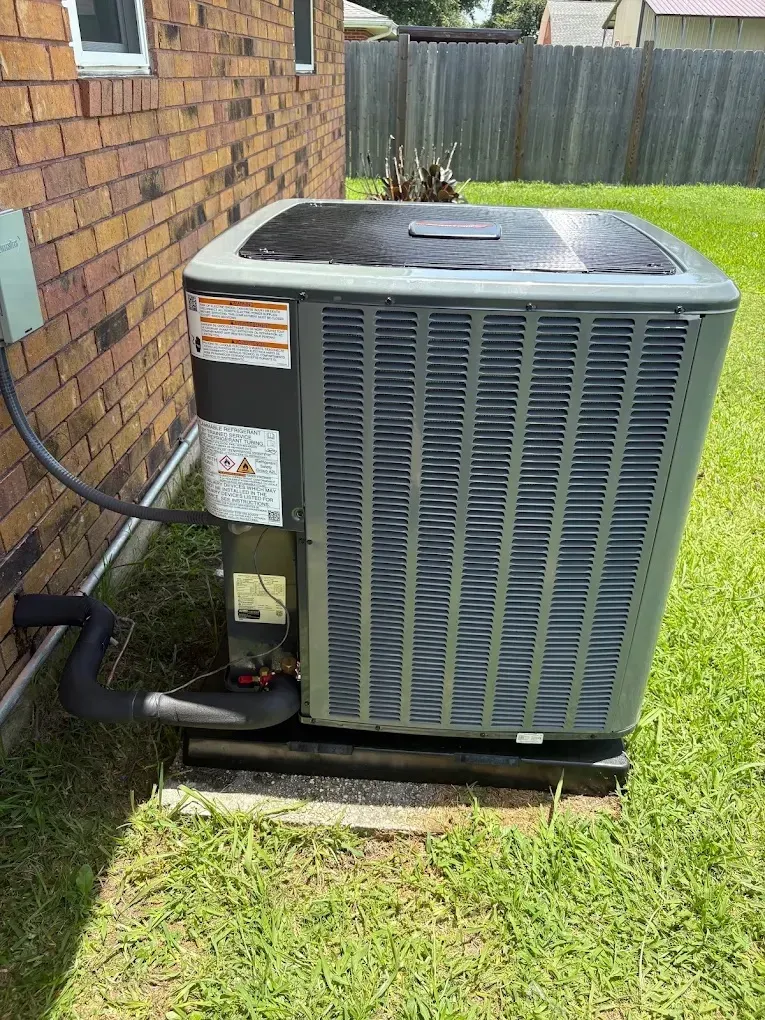
How Long Do AC Units Last? Know When to Replace Yours
When should you replace your AC unit? Learn the average lifespan of air conditioners and key signs indicating it's time for a replacement. Keep your home cool!
Why Your AC Is Not Cooling: Common Causes & Solutions
Is your AC blowing hot air instead of cooling? Learn the common causes and effective solutions to restore comfort in your home. Stay cool this summer!

Spring HVAC Maintenance Checklist for Optimal Performance
Boost your HVAC system's efficiency this spring with my essential maintenance guide. Learn the best practices to ensure optimal performance all year round.
.avif)