
Is Your Heat Pump Failing to Keep Up With the Humidity?
Dealing with a malfunctioning heat pump can be stressful, especially given the intense, humid subtropical climate here in Larose. We ensure your system returns to efficiently cooling and heating your home throughout the year, preventing discomfort during the peak of summer or the chill of winter. Contact us today to schedule your service or inquire about available financing options.
When you book a service appointment, you need a solution that addresses the root cause of the inefficiency, not just a quick patch. We focus on restoring the unit to manufacturer specifications to ensure longevity and performance.
- Rapid service response to restore comfort immediately.
- Comprehensive system checks ranging from filtration to fluid dynamics.
- Transparent pricing structures so you know exactly what the job entails.
Licensed and fully insured technicians are ready to assist, providing peace of mind and flexible payment options.
What Is Included in Professional Heat Pump Maintenance
A heat pump works harder than almost any other appliance in your home because it handles both heating and cooling duties. Unlike a furnace that sits dormant for half the year, a heat pump operates year-round. This continuous operation requires a specific maintenance protocol to ensure the system does not fail prematurely. When a technician arrives to service your unit, the goal is to inspect, clean, and tune every moving part and electrical component.
The scope of work during a maintenance visit is extensive. It goes beyond simply changing a filter. The primary focus is on the heat exchange process. If the system cannot effectively transfer heat—moving it outside in the summer and inside in the winter—your energy bills will skyrocket while your comfort levels drop.
During a standard service visit, you can expect the following technical assessments:
- Electrical Connection Tightening: Loose connections can cause dangerous overheating and component failure. Technicians inspect all wiring, capacitors, and contactors to ensure the electrical current is stable and safe.
- Refrigerant Charge Verification: The refrigerant is the lifeblood of a heat pump. If levels are too low, the system struggles to change the temperature. If levels are too high, it risks damaging the compressor. We measure superheat and subcooling levels to ensure the charge is precise.
- Reversing Valve Testing: This is the component that distinguishes a heat pump from a standard air conditioner. It allows the flow of refrigerant to reverse, switching modes between heating and cooling. A stuck valve means you are trapped in one mode, which is a critical failure we check for immediately.
- Coil Cleaning: Both the evaporator coil (indoor) and condenser coil (outdoor) must be free of debris. Dirt acts as an insulator, preventing the coils from absorbing or releasing heat. In our humid environment, dirty coils can also lead to ice formation on the unit.
- Drainage Inspection: The condensate drain removes moisture from the air. If this line becomes clogged with algae or mold—common in high-humidity regions—it can lead to water damage in your home and increased indoor humidity levels.
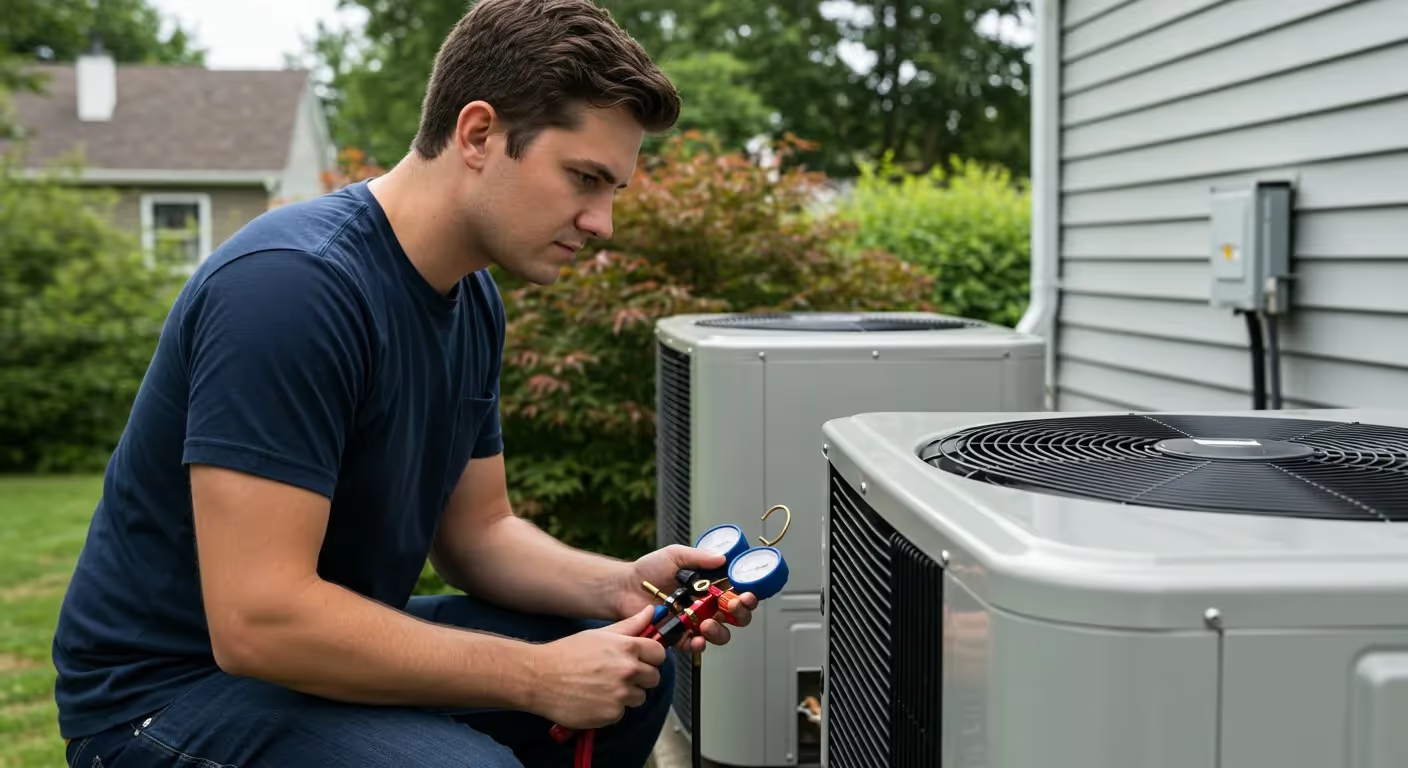
Understanding the Maintenance Process
Homeowners often wonder what the specific steps are when a professional services their equipment. The process is methodical and designed to uncover hidden issues before they turn into expensive repairs. Martin's Heating & Air Conditioning follows a rigorous checklist to ensure no component is overlooked.
The procedure begins with a visual and auditory inspection. Technicians listen for unusual vibrations, grinding noises, or short-cycling, which often indicate motor or compressor issues. Following the initial assessment, the hands-on work begins.
- Power is turned off to the unit to ensure safety during the internal inspection.
- The outdoor cabinet is opened, and debris such as leaves, grass clippings, and dirt is removed from the base and sides of the unit to ensure proper airflow.
- Fan blades are inspected for cracks or warping, and the motor is checked for proper rotation and lubrication.
- The defrost control board is tested. This is vital during colder months to ensure the outdoor unit does not freeze up, which would halt heating capacity.
- Auxiliary heat strips are engaged and tested. These electric resistance heaters provide backup warmth when outdoor temperatures drop significantly; they must be fully functional for those rare freezing nights.
- The thermostat is calibrated to ensure that the temperature reading on your wall matches the actual temperature of the room.
- Airflow is measured across the indoor coil. Restricted airflow forces the blower motor to work harder, increasing energy consumption and shortening the motor's lifespan.
Managing Humidity and Seasonality
Operating a heat pump in a region with high precipitation and humidity presents unique challenges. With annual rainfall reaching 60 to 65 inches and humidity often exceeding 70%, your system is doing more than just controlling temperature; it is your primary defense against indoor moisture.
High humidity forces the heat pump to run longer cycles to dehumidify the air. If the system is short-cycling (turning on and off too quickly) due to a lack of maintenance, it will cool the air without removing the moisture. This results in a cold, clammy feeling inside the home and creates an environment where mold and mildew can thrive.
Routine maintenance ensures the condensate drain line is clear and flowing freely. Algae grows rapidly in these drain lines due to the constant presence of water and warm temperatures. A blocked drain can trigger safety switches that shut down the entire system or cause water to overflow into your attic or walls.
Furthermore, the hurricane season, peaking from June to November, requires the outdoor unit to be secure and in peak condition. Salt air and heavy rains can accelerate corrosion on the aluminum fins of the condenser coil. Regular cleaning and application of protective coatings during maintenance can extend the life of these components, preventing the metal from degrading and losing its ability to transfer heat.
Deciding Between Repair and Replacement
There comes a point in the lifecycle of every heat pump where the cost of continued maintenance and repair outweighs the benefits of a new system. Making this decision requires evaluating the age of the unit, the frequency of breakdowns, and current efficiency standards.
If your heat pump is under ten years old and generally reliable, routine service and occasional minor repairs are usually the most cost-effective path. However, as systems age, components like the compressor and reversing valve endure significant wear and tear.
Consider the following factors when determining the best course of action:
- The 50% Rule: If the cost of a necessary repair approaches 50% of the value of a new system, replacement is often the smarter financial move. Investing heavy capital into an aging unit often leads to throwing good money after bad.
- Frequency of Repairs: If you find yourself calling for service multiple times a year for different issues, the system is likely reaching the end of its useful life.
- Energy Efficiency Ratings: Older heat pumps often have SEER (Seasonal Energy Efficiency Ratio) ratings significantly lower than modern units. Upgrading to a high-efficiency model can sometimes result in energy savings that help offset the installation cost over time.
- Comfort Consistency: If some rooms are hot while others are cold, or if the unit struggles to maintain the set temperature despite running constantly, the compressor may be losing compression, signaling a need for replacement.
Local Utilities and Code Considerations
When servicing or replacing heat pumps, adherence to local building codes and utility requirements is mandatory. Proper handling of refrigerants is strictly regulated to protect the environment. Technicians must hold EPA certifications to legally buy and handle refrigerant. Venting refrigerant into the atmosphere is illegal and carries heavy fines.
Additionally, electrical connections for heat pumps must meet local safety codes. This includes the correct sizing of breakers and wire gauges to handle the amperage draw of the unit, particularly when the auxiliary heat strips engage. During a maintenance visit, we verify that your electrical setup remains compliant and safe, reducing the risk of electrical fires.
Local utility providers may occasionally offer rebate programs for servicing or upgrading to high-efficiency heat pumps. Keeping your system well-maintained and documenting that service is often a requirement to qualify for manufacturer warranties and certain local incentives. A well-documented service history serves as proof that the equipment has been cared for according to the manufacturer's guidelines.
The Value of Professional Oversight
While some homeowners attempt basic tasks like filter changes, the complexity of a modern heat pump system requires professional diagnostic tools and expertise. Attempting to check refrigerant pressures or test high-voltage electrical components without proper training is dangerous and can void your equipment warranty.
Professional maintenance provides a level of scrutiny that goes beyond the surface. Technicians use multimeters, pressure gauges, and temperature probes to get a precise reading of the system’s health. This data allows for proactive adjustments that prevent catastrophic failures. For example, detecting a failing capacitor during a routine tune-up costs a fraction of replacing a compressor that failed because the capacitor wasn't there to start it.
Furthermore, professional servicing ensures that your indoor air quality remains high. By cleaning the internal components that the air passes over, technicians remove dust, pollen, and mold spores that would otherwise be recirculated into your living space. In a humid climate, this biological growth on coils is a common issue that requires chemical cleaning to fully resolve.
Why Choose Us
Choosing a team to service your heat pump shouldn’t be a gamble—your comfort, safety, and long-term system performance depend on it. Here’s why homeowners in Larose trust us for dependable, expert HVAC care:
- Specialized Expertise in Humid Subtropical Climates: We understand the unique challenges heat pumps face in Louisiana humidity, from excessive moisture to corrosion and algae buildup. Our service protocols are tailored specifically for these conditions.
- Thorough, Technical Diagnostics: We don’t offer surface-level fixes. Every service includes precision testing, performance measurements, and full-system evaluations to restore your unit to manufacturer specifications.
- Fast Response Times: When your heat pump stops keeping up with the weather, waiting isn’t an option. Our rapid-response service ensures your home returns to comfortable temperatures quickly.
- Licensed, Insured, and Certified Technicians: Your system is handled by trained professionals qualified in EPA regulations, electrical safety standards, and modern heat pump technologies.
- Transparent Pricing & Honest Recommendations: No hidden charges, no inflated repair suggestions. You’ll receive clear explanations, upfront pricing, and guidance on whether repair or replacement makes the most financial sense.
- Comprehensive Maintenance Plans: We help extend your system’s lifespan with structured service packages that prevent breakdowns, improve efficiency, and keep your warranty valid.
- Flexible Payment & Financing Options: Comfort shouldn’t be delayed due to cost, so we provide payment solutions that fit your budget.
Securing Year-Round Comfort
Your home’s comfort depends entirely on the reliability of your HVAC system. In an environment where the weather shifts from sweltering humidity to chilly dampness, a heat pump is the ideal solution, provided it is well-maintained. Ignoring the signs of wear or skipping annual inspections can lead to inconvenient breakdowns and shortened equipment life.
We are dedicated to providing thorough, data-driven service that keeps your system running efficiently. By addressing small issues before they become major problems, we help you manage energy costs and maintain a consistent, comfortable indoor environment. Whether you need a seasonal tune-up or an in-depth repair, Martin's Heating & Air Conditioning delivers the expertise required to get the job done right.
Don't wait for a complete system failure to give your heat pump the attention it needs.
Schedule your comprehensive heat pump service today and ensure your home stays comfortable all year long.
Talk to a Local HVAC Expert

.avif)