Restore Comfort Quickly When Your Heater Breaks Down
Facing unexpected heating failures creates an urgent need for a solution that is quick, reliable, and available right when you need it. If your system has stopped working, contact us immediately to schedule a diagnostic visit or inquire about available financing options.
When the temperature drops in Raceland, a malfunctioning heater shifts from a minor inconvenience to a major disruption in your daily life. You need a service provider that prioritizes accuracy and speed:
- Same-day service ensures you are not left in the cold when temperatures drop.
- Transparent pricing provides a clear quote before any work begins, with no hidden fees.
- Emergency services are available 24/7 to handle any crisis, regardless of the time.
Fully licensed and insured for your peace of mind, Martin's Heating & Air Conditioning is prepared to resolve your heating issues today.
Comprehensive Heating Repair Solutions Available Today
When a technician arrives at your property, the primary goal is to identify the root cause of the failure rather than simply patching the symptoms. A thorough assessment determines the exact condition of your heating unit, whether it is an electric heat pump, a gas furnace, or a hybrid system. The scope of repair services covers every component of the heating assembly, ensuring that the system operates safely and efficiently once power is restored.
Residents in Raceland often rely on heat pumps due to the milder winters, but gas furnaces are also prevalent. Service capabilities must cover the specific mechanical and electrical needs of both:
Electrical Component Diagnostics and Repair
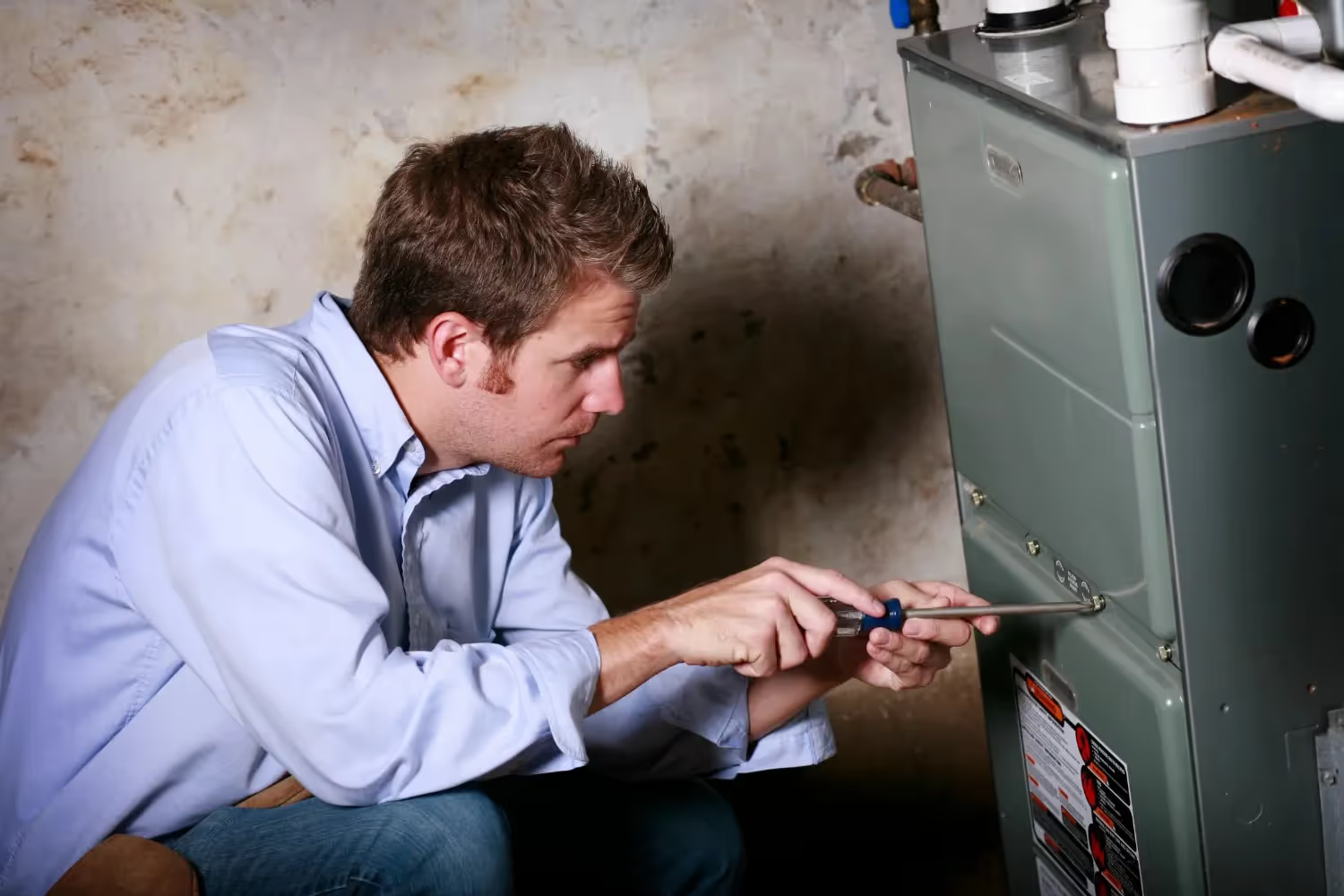
Modern heating systems rely heavily on complex electrical circuits to function. A failure in the control board, a tripped breaker, or a blown fuse can render the entire unit useless. Technicians examine wiring connections for signs of wear, corrosion, or overheating. Capacitors, which provide the torque necessary to start motors, are tested to ensure they hold the correct charge. If a thermostat is sending incorrect signals—or no signals at all—the system cannot regulate temperature effectively. Recalibrating or replacing the thermostat is a standard part of the repair scope to restore communication between the user interface and the mechanical unit.
Airflow and Blower Motor Restoration
Heat cannot be distributed effectively without proper airflow. If the blower motor fails, the system may generate heat but will be unable to push it through the ductwork, leading to overheating and automatic safety shutdowns. Services include testing the amperage draw of the blower motor, lubricating bearings, and cleaning the blower wheel to remove dust buildup that creates drag. Technicians also inspect the limit switch, a safety device that prevents the fan from running if the internal temperature gets too high. If the limit switch is faulty, the blower may run continuously or not at all.
Ignition and Pilot Control for Gas Furnaces
For homes utilizing gas heat, the ignition system is critical for safety and function. Older systems may use a standing pilot light, while modern units utilize electronic ignition or hot surface igniters. If the pilot tube is clogged or the thermocouple—a sensor that detects the flame—is malfunctioning, the gas valve will not open, preventing the burners from igniting. Cleaning the flame sensor is a common repair that resolves intermittent cycling issues. Furthermore, the heat exchanger is rigorously inspected for cracks. A compromised heat exchanger can leak carbon monoxide, so verifying its integrity is a non-negotiable step in the repair process.
Heat Pump Specific Repairs
In this region, heat pumps are essential for their dual heating and cooling capabilities. Common issues include a stuck reversing valve, which prevents the unit from switching from cooling to heating mode. Issues with the defrost board can also cause ice to build up on the outdoor unit during colder nights, blocking airflow and reducing efficiency. Technicians troubleshoot these specific components to ensure the refrigerant cycle is operating correctly to pull heat from the outside air and transfer it indoors.
The Step-by-Step Repair Process
Understanding how a repair appointment unfolds helps homeowners prepare for the service. The process is designed to be systematic, minimizing downtime and ensuring that no underlying issues are overlooked:
- First, the technician performs a complete system run-through. This involves turning the thermostat to call for heat and observing the startup sequence. They listen for unusual noises like grinding, rattling, or clicking, which often indicate mechanical failures. They also measure temperature differentials between the supply and return air to gauge the system's current output.
- Next, a physical inspection and diagnostic testing phase begins. Panels are removed to access internal components. The technician uses multimeters to check voltage and resistance across electrical parts. Gauges are attached to measure refrigerant levels in heat pumps or gas pressure in furnaces. This data allows the technician to pinpoint the exact failure point.
- Then, the findings are presented to you clearly. You receive a detailed explanation of what is broken, why it failed, and the specific parts required to fix it. A flat-rate quote is provided, outlining the total cost of parts and labor. No work proceeds until you approve this scope of work.
- Following approval, the repair is executed. The technician retrieves the necessary parts from the stocked vehicle. Damaged components are removed carefully to avoid disturbing surrounding parts. New components are installed according to manufacturer specifications. Wiring is reconnected and secured, and any debris created during the repair is cleaned up.
- Finally, the system is tested for performance and safety. The unit is cycled through its operation modes to ensure it starts, runs, and shuts down correctly. Safety controls are verified to be active. The technician checks for gas leaks or refrigerant leaks one last time before declaring the job complete.
Deciding Between Repair and Replacement
A frequent dilemma homeowners face is determining whether to invest in another repair or to replace the system entirely. While a quick fix is often the most affordable immediate option, there comes a tipping point where replacement becomes the more improved financial decision. This decision relies on several measurable factors:
The Age of the Equipment
Heating systems generally have a lifespan of 10 to 15 years for heat pumps and up to 20 years for well-maintained furnaces. If your unit is nearing or has surpassed this age range, parts may be becoming obsolete or significantly more expensive to source. A repair on a 15-year-old system is often a temporary patch on a unit that will likely fail again in the near future.
The 50% Investment Rule
Industry professionals often recommend the "50% rule." If the cost of the repair approaches or exceeds 50% of the cost of a brand-new system, replacement is usually the smarter choice. Investing half the cost of a new unit into an old, inefficient machine offers a poor return on investment compared to putting that money toward a modern system with a fresh warranty — check our hvac promotions for current offers.
Frequency of Breakdowns
If you have required repairs more than twice in the last two years, the system is demonstrating a pattern of unreliability. Frequent breakdowns not only incur repeated service call fees but also indicate that the internal components are failing in succession. Replacing the unit eliminates the stress of wondering when the next breakdown will occur.
Energy Efficiency Considerations
Older units operate with significantly lower efficiency ratings (SEER or AFUE) compared to modern standards. Even if an old unit runs, it consumes more electricity or gas to produce the same amount of heat. If your utility bills have been steadily rising despite consistent usage, the hidden cost of keeping the old unit running may justify the upfront cost of replacement.
Local Considerations for Heating in South Louisiana
Operating a heating system in Raceland presents unique challenges driven by the specific climate and regional infrastructure. The local environment dictates how systems wear and what maintenance or repair protocols are most effective:
Managing Humidity and Corrosion
While winters are mild, the region is characterized by high humidity year-round. This moisture content in the air accelerates corrosion on metal components, particularly on the outdoor units of heat pumps. Rust can compromise electrical connections and degrade the fins on coils, reducing heat transfer. Repairs often involve treating or replacing corroded contacts and ensuring that drainage systems are clear to prevent standing water inside the unit — sign up for our maintenance plan to prevent these issues.
The Transition from Hurricane Season
The heating season typically begins shortly after the end of the Atlantic hurricane season. Systems may have been subjected to high winds, flying debris, or power surges during tropical storms. Before the first cold snap, it is vital to inspect the outdoor unit for physical damage caused by storms. Debris lodged in the fan blades or dented coil guards can impede operation. Furthermore, electrical surges can weaken capacitors or fry control boards, damage that may not be apparent until the heat is turned on for the first time in months.
Seasonal Usage Patterns
Because the demand for heat is intermittent—often needed only for a few weeks or months—systems sit idle for long periods. This dormancy can lead to issues such as "sticking" valves or dried-out lubrication in motors. When the system is finally engaged, the sudden stress can cause immediate failure. Service calls often spike during the first real freeze of the year as these dormant issues come to light.
Adherence to Local Building Codes
Repairs and installations in the area must comply with specific local building codes and safety regulations. This includes proper venting requirements for gas furnaces to prevent carbon monoxide buildup and electrical code compliance for heat pump wiring. Professional technicians ensure that all repairs meet these legal standards, which is essential for the safety of the occupants and the validity of home insurance policies.
Differentiators and Service Standards
Selecting a service provider involves looking for technical expertise and operational transparency. The goal is to restore heat quickly without compromising on the quality of the workmanship. Martin's Heating & Air Conditioning focuses on delivering a service experience that addresses the technical problem while respecting the homeowner's time and property:
Technical Proficiency and Diagnostics
Technicians undergo continuous training to stay updated on the latest HVAC technologies and repair techniques. This ensures they can service older models as well as advanced, high-efficiency systems. The ability to accurately diagnose a problem on the first visit reduces the need for callback appointments and ensures that the quoted repair solves the actual issue.
Stocked Mobile Inventory
Efficiency in repair is directly tied to part availability. Service vehicles are stocked with a wide range of common parts, including igniters, capacitors, contactors, motors, and thermostats. This preparation allows many repairs to be completed during the initial diagnostic visit, eliminating the delay of ordering parts and scheduling a second trip.
Transparency in Operations
Homeowners deserve to know exactly what they are paying for. Clear communication regarding the diagnosis, the options for repair, and the associated costs is standard procedure. There is no guesswork involved; the price quoted is the price paid. This approach builds trust and ensures that you can make informed decisions about your property’s mechanical systems.
Ensure Warmth and Safety With Expert Heating Repair: Act Today
Restoring your home's warmth and safety is the priority. Do not let a heating malfunction compromise your comfort. Contact us today to schedule your repair service and ensure your system is ready for the cold.
Talk to a Local HVAC Expert
.avif)