AC Installation & Replacement in Chauvin, LA
Need quick AC installation or repair in Chauvin? Contact Martin's Heating & Air Conditioning for same-day service, 10-year warranties, and financing options.
Is Your Cooling System Failing to Beat the Heat?
When your air conditioner fails, you need quick and reliable solutions to restore safety and comfort to your home. At Martin's Heating & Air Conditioning, we provide prompt installations and repairs to keep your comfort uninterrupted in Chauvin and the surrounding areas. Contact us today for immediate assistance or to discuss financing options.
- Same-day service ensures your comfort is restored quickly without long wait times.
- 10-year warranties guarantee your investment is protected against future defects.
- Flexible financing options to alleviate upfront cost concerns and fit your monthly budget.
Fully licensed and insured–all installations meet local building codes with ease.
Comprehensive AC Installation: What Is Included in Your Service
Investing in a new air conditioning system is about more than just swapping out a metal box. It requires a holistic approach to ensuring your home’s airflow, energy efficiency, and humidity control are optimized for the local climate. When you schedule an installation, you receive a complete system overhaul designed to maximize the lifespan of your new unit and lower your monthly utility bills.
Modern high-efficiency systems are complex pieces of machinery that rely on precise calibration. The service begins with a load calculation. Many older homes in Louisiana operate with units that are either too small to handle the heat load or too large, leading to "short cycling." Short cycling prevents the unit from running long enough to remove humidity, leaving the home cold but clammy. We perform a Manual J load calculation to determine the exact tonnage required for your specific square footage, insulation levels, and window orientation.
The scope of work also covers the critical infrastructure connected to the AC unit. This includes an inspection of existing ductwork to identify leaks or collapses that could bleed energy. If the ducts are compromised, even the most expensive AC unit will fail to perform efficiently. We ensure the transition between the new plenum and existing ductwork is airtight. We also replace the refrigerant lines if necessary or flush them thoroughly to remove contaminants from the old system. The installation includes the setup of the outdoor condenser, the indoor evaporator coil, and the calibration of the thermostat to communicate effectively with the new hardware.
The Installation Process: From Assessment to Airflow
Understanding the timeline and steps involved in a professional installation helps homeowners prepare for the service. The goal is to minimize disruption to your daily routine while ensuring the technical requirements of the installation are met with precision.
Site Evaluation and Sizing
The process starts with a technical assessment. Technicians examine the current footprint of your outdoor unit and the accessibility of your indoor air handler. Measurements are taken to ensure the new equipment fits within the designated space and complies with clearance requirements for proper airflow. This stage confirms the correct sizing and identifies any electrical upgrades needed to support modern, high-efficiency compressors.
Safe Removal of Existing Equipment
Technicians shut off electrical power and gas lines where applicable. The old refrigerant is pumped down and recovered according to EPA regulations to prevent environmental contamination. The old condenser and air handler are disconnected and removed from the property. Floor protection and drop cloths are used to prevent damage to flooring or landscaping during the removal process.
System Positioning and Connection
The new outdoor pad is leveled to ensure the condenser sits flat, which is vital for the longevity of the compressor. The indoor unit is secured, and the refrigerant line set is brazed with nitrogen to prevent oxidation inside the copper lines. Electrical connections are tightened, and a new disconnect box is often installed for safety. The condensate drain line is piped and trapped to prevent water damage and algae buildup.
Vacuum and Charge
Once the physical connections are made, a vacuum pump removes moisture and non-condensables from the system. This step is critical; moisture left in the lines can freeze or mix with oil to create acid, destroying the compressor. After achieving a deep vacuum, the factory-specified amount of refrigerant is weighed in.
Testing and Commissioning
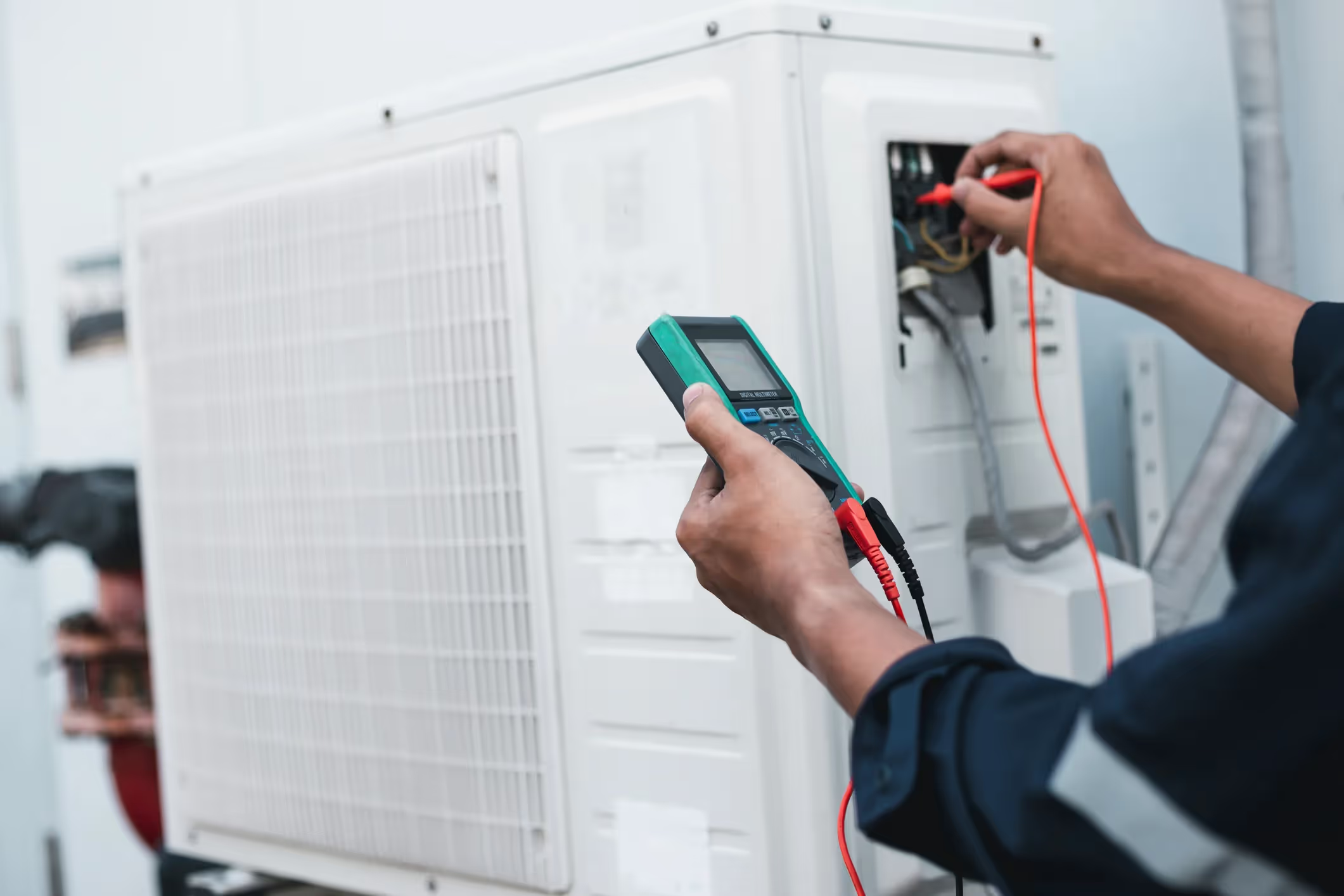
The system is powered on and monitored. Technicians measure static pressure, superheat, and subcooling to verify the unit is operating within manufacturer specifications. Airflow is balanced across registers, and the thermostat is programmed to your preferences. The final step involves a walkthrough to demonstrate how to operate the new system and change filters.
Repair vs. Replace: Making the Financial Decision
Deciding between repairing an aging unit or investing in a new installation is one of the most common dilemmas homeowners face. While repairs may seem cheaper upfront, they can become a money pit if the underlying system is nearing the end of its lifecycle. There are specific metrics and financial thresholds that indicate when replacement is the smarter economic choice.
The 50% Rule
A general guideline used in the HVAC industry is the 50% rule. If the cost of the repair approaches 50% of the value of a new system, replacement is generally recommended. For example, if a compressor fails and the repair quote is substantial, putting that money toward a new unit with a warranty often yields a better return on investment than patching a dying system — view our HVAC promotions online.
System Age and R-22 Freon
Air conditioners generally last between 10 to 15 years, depending on maintenance frequency and usage intensity. If your unit is over 10 years old and requires a major repair, replacement is usually advised. Furthermore, older systems often utilize R-22 refrigerant (Freon), which has been phased out. R-22 is becoming prohibitively expensive to source. Upgrading to a system that uses R-410A or newer refrigerants eliminates this rising cost variable.
Frequency of Breakdowns
If you have required service calls more than twice in the last two years, the system is signaling unreliable performance. Frequent breakdowns suggest that internal components are wearing out simultaneously. Continuing to repair individual parts often costs more annually than the monthly financing payment for a new, high-efficiency system.
Energy Efficiency Improvements
Older units often have SEER (Seasonal Energy Efficiency Ratio) ratings of 10 or 12. Modern standards require higher efficiency, often starting at SEER2 14.3 or higher in the South. Replacing a 10 SEER unit with a 16 SEER unit can reduce cooling costs by 30% to 40%. These energy savings can offset a significant portion of the installation cost over time.
Local Factors Affecting Installation in Chauvin
Operating an air conditioning system in Chauvin requires specific attention to regional environmental factors. The climate here is characterized by high humidity and distinct seasonal shifts. While winters can bring cold temperatures requiring reliable heating, the summers are warm and humid, occasionally exceeding 30°C. This intense heat, paired with the potential for thunderstorms in July, places a heavy load on cooling equipment.
Humidity Management
In this region, removing heat is only half the battle; the system must also remove moisture. High humidity can make indoor environments feel warmer than the thermostat reading suggests. We recommend two-stage or variable-speed compressors for this area. Unlike single-stage units that run at 100% capacity or zero, variable-speed units can run at lower speeds for longer periods. This extended run time allows for greater dehumidification without overcooling the space, preventing that "clammy" feeling common in Louisiana homes.
Permitting and Regulations
Local building codes dictate specific requirements for HVAC installations to ensure safety and energy efficiency. Permits are generally required for full system replacements. This ensures that the electrical connections meet fire safety standards and that the unit meets current SEER2 energy mandates. Professional installers handle the permitting process, ensuring the job passes inspection and you avoid fines or issues when selling the home later.
Weather Protection
The frequency of thunderstorms and potential high winds necessitates proper anchoring of outdoor units. Local codes often require tie-downs or specific mounting brackets to keep the condenser secure during severe weather events. Additionally, surge protection is highly recommended to protect the sensitive electronic boards in modern AC units from lightning strikes or power surges common during summer storms.
Determining the Right System for Your Home
Selecting the right equipment involves more than just picking a brand. It requires matching the technology to the specific needs of your household and the architectural design of your home.
Central Air vs. Ductless Mini-Splits
For homes with existing ductwork, central air is the standard solution. It provides uniform cooling throughout the house. However, for room additions, garages, or older homes without ductwork, ductless mini-split systems offer a highly efficient alternative. These units allow for "zoning," meaning you can cool specific rooms only when they are occupied, leading to significant energy savings.
Heat Pump Technology
Given the humid continental climate notes involving distinct winters and warm summers, heat pumps are an excellent solution for the Chauvin area. A heat pump works exactly like an AC in the summer but reverses the process in the winter to provide efficient heating. Because they move heat rather than generate it, they are significantly more efficient than electric resistance heating during the moderately cold winters experienced in the region.
Smart Thermostat Integration
Modern installations often include smart thermostats. these devices learn your schedule and adjust temperatures automatically to save money when you are away. They also allow for remote monitoring, so you can adjust the temperature before you arrive home or receive alerts if the humidity levels spike unexpectedly.
Why Professional Installation Matters
While DIY projects are popular, HVAC installation is not a candidate for amateur attempts. The complexities involving high-voltage electricity, high-pressure refrigerant gas, and combustible fuels (in gas furnace combinations) present serious safety risks.
Warranty Validation
Manufacturers strictly require that their equipment be installed by licensed professionals. If a homeowner or unlicensed handyman installs the unit, the manufacturer warranty is almost always voided immediately. This leaves the homeowner liable for the cost of parts if a defect occurs. Martin’s Heating & Air Conditioning ensures that all warranty paperwork is filed correctly and that the installation adheres to manufacturer protocols.
Long-Term Performance
Studies consistently show that improper installation reduces system efficiency by up to 30%. Issues such as improper refrigerant charge or leaky ductwork force the unit to work harder than necessary, shortening its lifespan and inflating energy bills. Professional installation ensures the equipment operates at its rated efficiency from day one.
Safety Assurances
HVAC systems involve electrical and sometimes gas connections. Loose electrical connections can cause fires, and improper gas line fittings can lead to carbon monoxide leaks. Professional installers have the training and tools to ensure all connections are secure and tested before the job is marked complete.
Ensuring Comfort Through Every Season
Your home’s comfort system is the first line of defense against the intense summer heat and winter chills. A properly installed air conditioner not only keeps you cool but also filters the air and regulates humidity, contributing to a healthier living environment. By focusing on correct sizing, high-quality equipment, and professional execution, you ensure that your home remains a sanctuary regardless of the weather outside.
Choosing the right partner for this investment is critical. From navigating local permits to selecting the ideal SEER rating for your budget, expert guidance simplifies the process and secures the best results. We are committed to providing transparency, technical excellence, and reliable support for the lifespan of your system. Don't let a failing AC compromise your comfort or safety. Secure a system that delivers reliable performance year after year. Contact us now to schedule your installation consultation.
Talk to a Local HVAC Expert
.avif)