Eliminate Inconsistent Heating with Professional Installation Services
Winter weather in the South often fluctuates between mild afternoons and biting, humid chills at night, making a reliable heating system essential for your safety and comfort. If your current unit is failing to maintain temperature or driving up energy costs in Chauvin, you need a permanent solution rather than another temporary patch. Contact us today to schedule an evaluation or discuss financing options for a new system.
Martin's Heating & Air Conditioning understands that proper installation is the single most important factor in determining the longevity and efficiency of your new equipment. A system that is incorrectly sized or poorly installed will never achieve its rated efficiency, regardless of the brand name on the box. We focus on technical precision to ensure your home remains comfortable through every cold snap.
- High-Efficiency Systems: We install modern units designed to lower monthly utility bills while providing consistent warmth.
- Precision Sizing: Our technicians perform load calculations to ensure the unit fits your specific home layout and insulation levels.
- Rapid Deployment: We work efficiently to remove old equipment and install new systems to minimize disruption to your daily routine.
Fully licensed installations backed by comprehensive labor and equipment warranties.
Comprehensive Heating System Replacement: What to Expect
Investing in a new heating system is about more than purchasing hardware; it is about securing a decade or more of indoor comfort. When you choose professional installation, you are paying for the expertise required to integrate complex machinery into your home’s existing infrastructure. The goal is to create a seamless environment where temperature control is effortless and humidity is managed effectively, which is particularly important in our humid subtropical climate.
Modern heating technology has advanced significantly in recent years. Today's systems are quieter, smarter, and far more efficient than units manufactured just ten years ago. However, these advanced features rely heavily on the quality of the installation. Our service includes a complete assessment of your home’s thermal envelope. We look at windows, insulation, ductwork condition, and square footage to determine the exact heating load required. This prevents "short-cycling," a common issue where oversized units turn on and off too frequently, leading to wear and tear and uneven temperatures.
Included in your installation service:
- Site Evaluation and Load Calculation: We do not guess. We measure everything to ensure the system output matches your home’s needs.
- Ductwork Inspection: Before connecting a new unit, we verify that your air ducts are sealed and capable of handling the airflow, modifying them if necessary to prevent energy loss.
- Equipment Selection: We help you navigate the differences between heat pumps, gas furnaces, and electric handlers to find the best fuel source and efficiency rating for your specific situation.
- System Calibration: Once the physical work is done, we calibrate the blower speeds, gas pressure (if applicable), and thermostat settings to manufacturer specifications.
- Disposal: We handle the removal and environmentally responsible disposal of your old unit and all associated debris.
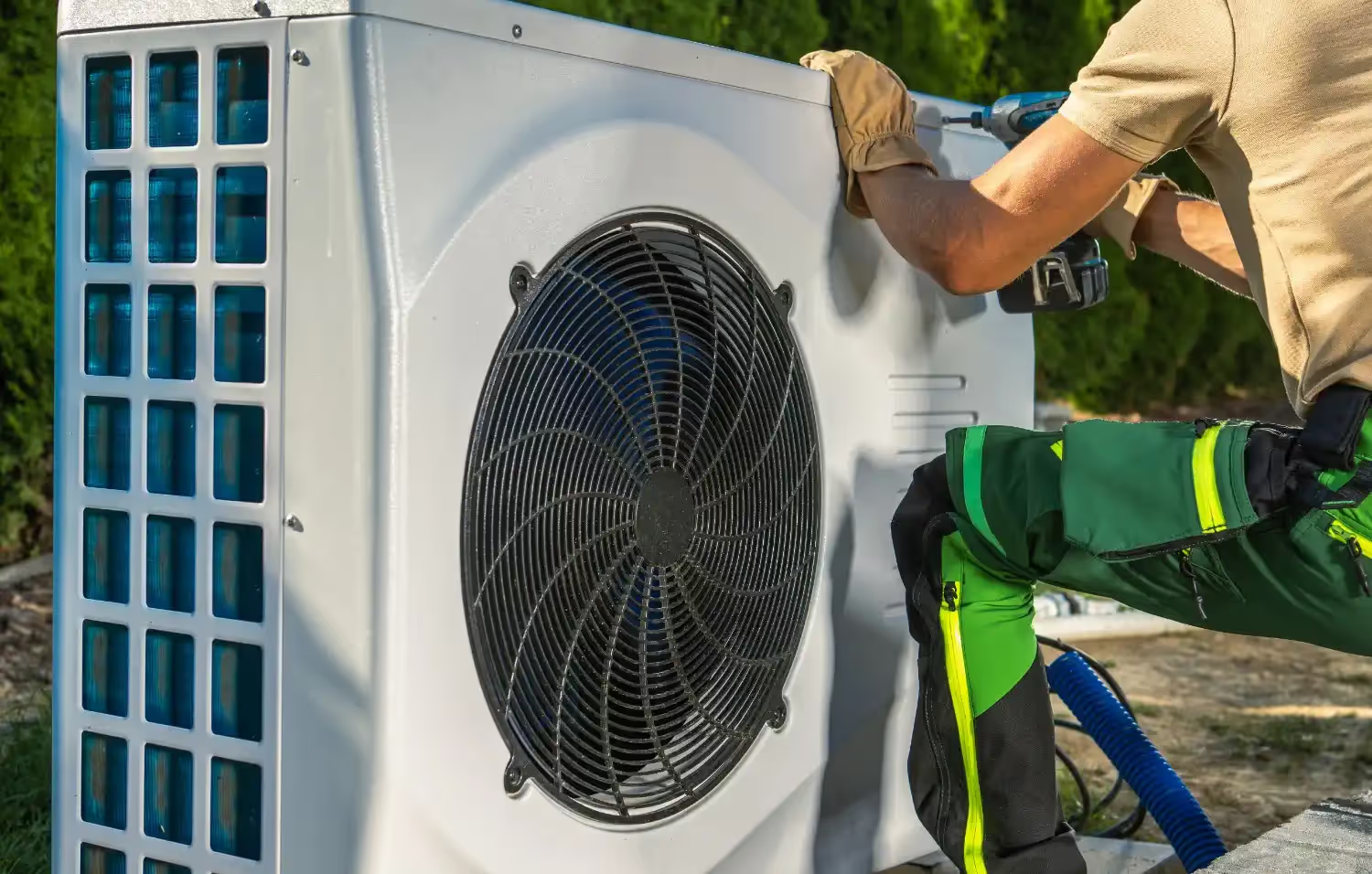
The Installation Process Step-by-Step
A systematic approach prevents errors and ensures that every safety protocol is followed. We adhere to a strict workflow designed to protect your property and verify the performance of the new heating system before we leave the premises.
- Site Preparation and Safety: The process begins with preparing the workspace. We lay down drop cloths and protective coverings to shield your flooring and furniture. Safety is paramount, so we shut off electrical breakers and gas lines connected to the existing equipment before any work begins.
- Removal of Existing Equipment: Technicians carefully disconnect the old heating unit from the plenum, vent pipes, and utility lines. If the system contains refrigerant (in the case of heat pumps), it is recovered according to EPA regulations. The old unit is then maneuvered out of the home, often requiring specialized equipment if the unit is located in an attic or crawlspace.
- Positioning and Connection: The new unit is set in place. For split systems, this involves placing the air handler indoors and the condenser outdoors. We ensure the unit is level and sits on a stable pad or vibration-absorbing hangers to reduce noise. We then reconnect the supply and return plenums, ensuring an airtight seal to prevent air leakage.
- Electrical and Fuel Integration: High-voltage wiring and low-voltage control wires are connected and tested for proper voltage. If installing a gas furnace, the gas piping is connected with sediment traps and shut-off valves, followed by a rigorous leak test. Flue pipes are installed to vent combustion gases safely outside the home.
- Thermostat and Control Setup: The modern brain of the system is installed. whether it is a standard programmable thermostat or a Wi-Fi-enabled smart control. We program the settings to match your lifestyle preferences and test communication between the thermostat and the heating unit.
- Final Commissioning: The system is powered on for a full test run. We measure temperature rise (the difference between air entering and leaving the unit) to ensure it falls within the manufacturer’s specified range. We also check static pressure in the ducts to verify airflow is unrestricted.
Deciding Between Heating Repair and Replacement
Homeowners often struggle with the decision to repair an aging unit or invest in a replacement. While repairs can solve immediate issues, there is a mathematical tipping point where keeping an old system running becomes more expensive than replacing it. In areas like Chauvin, where humidity control is as important as temperature control, an aging unit that runs inefficiently can lead to clammy, uncomfortable indoor air even when the heater is running.
You should consider replacement if your system is over 10 to 15 years old. Most heat pumps and furnaces have a lifespan in this range. Beyond this age, components like compressors and heat exchangers are at a higher risk of catastrophic failure. Additionally, efficiency standards have improved drastically. A 15-year-old unit likely has an efficiency rating far below current minimum standards, meaning you are paying significantly more for every degree of heat compared to a modern system.
Evaluate the following factors when making your decision:
- The 50% Rule: If the cost of the repair approaches 50% of the value of a new system, replacement is generally the better financial move — check our current promotions.
- Frequency of Breakdowns: If you have required multiple service calls in the last two years, the system is likely entering the end of its reliable service life.
- Rising Energy Bills: An unexplained increase in utility costs usually indicates the internal components are wearing out and working harder to produce the same amount of heat.
- Comfort Issues: uneven heating, cold spots in certain rooms, or excessive noise are signs that the system can no longer effectively condition your home.
- Safety Concerns: Rust or cracks in a gas furnace’s heat exchanger can lead to carbon monoxide leaks. In this scenario, replacement is non-negotiable for the safety of your household.
Local Considerations for Heating in Coastal Louisiana
Installing heating systems in our region requires specific knowledge of the local environment. While we do not experience the sub-zero temperatures of the north, the combination of humidity and salt air presents unique challenges for HVAC equipment. Equipment longevity in coastal areas depends heavily on the quality of the installation and the materials used.
Martin's Heating & Air Conditioning accounts for these local factors during every installation. The high humidity levels year-round mean that your system must be perfectly sized. An oversized unit will heat the home too quickly and shut off before it has a chance to circulate air through the filtration system properly, potentially leading to moisture buildup and mold growth in ductwork. Conversely, an undersized unit will run continuously, driving up electric bills without ever making the home truly comfortable.
Key local factors include:
- Corrosion Resistance: Outdoor units in coastal regions are susceptible to corrosion from salt spray and humidity. We recommend and install equipment with enhanced coil protection and durable cabinet finishes designed to withstand these elements.
- Electrical and Building Codes: Compliance with local safety standards is mandatory. We handle the permitting process and ensure that all electrical connections meet the specific codes required for our area. This includes proper grounding and disconnect switches to ensure safety during future maintenance.
- Heat Pump Suitability: Given our mild winters, heat pumps are an incredibly efficient choice for the region. They move heat rather than generating it, which is highly cost-effective for temperatures above freezing. We ensure the auxiliary heating strips are properly sized to handle the rare nights when temperatures drop significantly, ensuring you are never left in the cold.
- Flood Elevation Awareness: In low-lying areas, outdoor units must be elevated on stands or platforms to protect them from potential high water or storm surge during hurricane season. We assess the placement of your outdoor condenser to mitigate flood risks.
Why Technical Expertise Matters
The difference between a functional system and a high-performance system lies in the details of the installation. Many efficiency issues blamed on equipment manufacturing are actually the result of installation errors, such as improper refrigerant charge or leaky ductwork. A "high-efficiency" rated unit will perform like a low-tier model if the airflow is restricted or the thermostat is wired incorrectly.
We approach every project with a focus on building science. Your heating system is part of a larger ecosystem that includes your insulation, windows, and ventilation. By understanding how these elements interact, we can optimize your heating installation for maximum comfort and minimum energy usage. We do not cut corners on materials; we use high-quality sealants, proper support strapping for ducts, and code-compliant wiring to ensure the system is safe and durable.
Furthermore, we believe in transparent communication. We explain the operation of your new system clearly, showing you how to change filters and operate the thermostat for maximum savings. We want you to feel confident that your investment is protected and that you understand how to maintain your home’s comfort levels.
- Manufacturer Protocols: We strictly follow the installation manuals provided by the equipment manufacturers to ensure your warranty remains valid.
- Post-Installation Support: Our relationship does not end when the truck drives away. We provide clear guidance on maintenance schedules to keep your system running like new.
- Clean and Respectful Service: We treat your home with respect, cleaning up all debris and leaving the workspace as we found it.
Secure Your Comfort for the Season Ahead
Don't wait for the first freeze to discover your heating system is inadequate. Proactive installation ensures you have reliable warmth exactly when you need it, without the stress of emergency service calls or skyrocketing energy bills. We provide the technical skill and local experience necessary to upgrade your home with a system built for the long haul. Take control of your indoor climate today. Ready to upgrade your home comfort? Contact us now to schedule your heating installation consultation.
Talk to a Local HVAC Expert
.avif)