AC Repair in Chauvin, LA
Struggling with AC breakdowns in Chauvin? Get fast, reliable repair services today. Schedule a diagnostic visit now to restore your home's comfort.
Is Your Cooling System Failing When Temperatures Rise?
Is your AC faltering just when you need it most? You’re not alone—many in Chauvin struggle with AC breakdowns during peak heat, leaving homes uncomfortable and humidity levels unchecked. If you need immediate assistance to restore comfort to your home, contact us to schedule a diagnostic visit.
When a cooling system stops working efficiently, waiting is rarely an option. High temperatures and humidity can turn a minor mechanical issue into a major system failure if not addressed quickly. We provide a streamlined solution to get your air conditioning back online without unnecessary delays.
- Get it fixed today — same-day service available.
- Rest easy with our certified and experienced technicians.
- Flexible financing options to manage repair costs.
All services come with a solid warranty and are performed up to local code standards.
Comprehensive Diagnostics and Immediate Repairs
When you schedule a service visit, the priority is accurate identification of the fault followed by a lasting correction. Air conditioning systems are complex machines that rely on the synchronization of electrical components, airflow, and chemical refrigerants. A breakdown in one area often places stress on another. A professional repair service goes beyond simply swapping out a broken part; it involves a full system check to ensure the underlying cause is resolved so the issue does not recur next week.
A standard service call involves a multi-point inspection of your central air or ductless system. This includes checking refrigerant levels to ensure they match manufacturer specifications. Low refrigerant is often a sign of a leak, which must be located and sealed before recharging the system. Technicians also inspect electrical connections, tightening loose wires and measuring voltage to prevent electrical fires or sudden component failure.
Key components inspected during a repair visit include:
- Start and Run Capacitors: These electrical components store energy to start the compressor and fan motors. They are frequent points of failure in hot climates where systems cycle on and off frequently.
- Contactor Relays: These switches control the flow of electricity to the major components. Pitted or burnt contactors can prevent the outside unit from turning on.
- Condensate Drain Lines: In humid areas, these lines remove moisture from the air. Clogs can cause water damage to the home or trigger safety switches that shut the system down.
- Evaporator and Condenser Coils: dirty coils reduce efficiency and can cause the system to freeze up.
- Thermostat Calibration: Ensuring the device that reads the temperature communicates correctly with the HVAC unit.
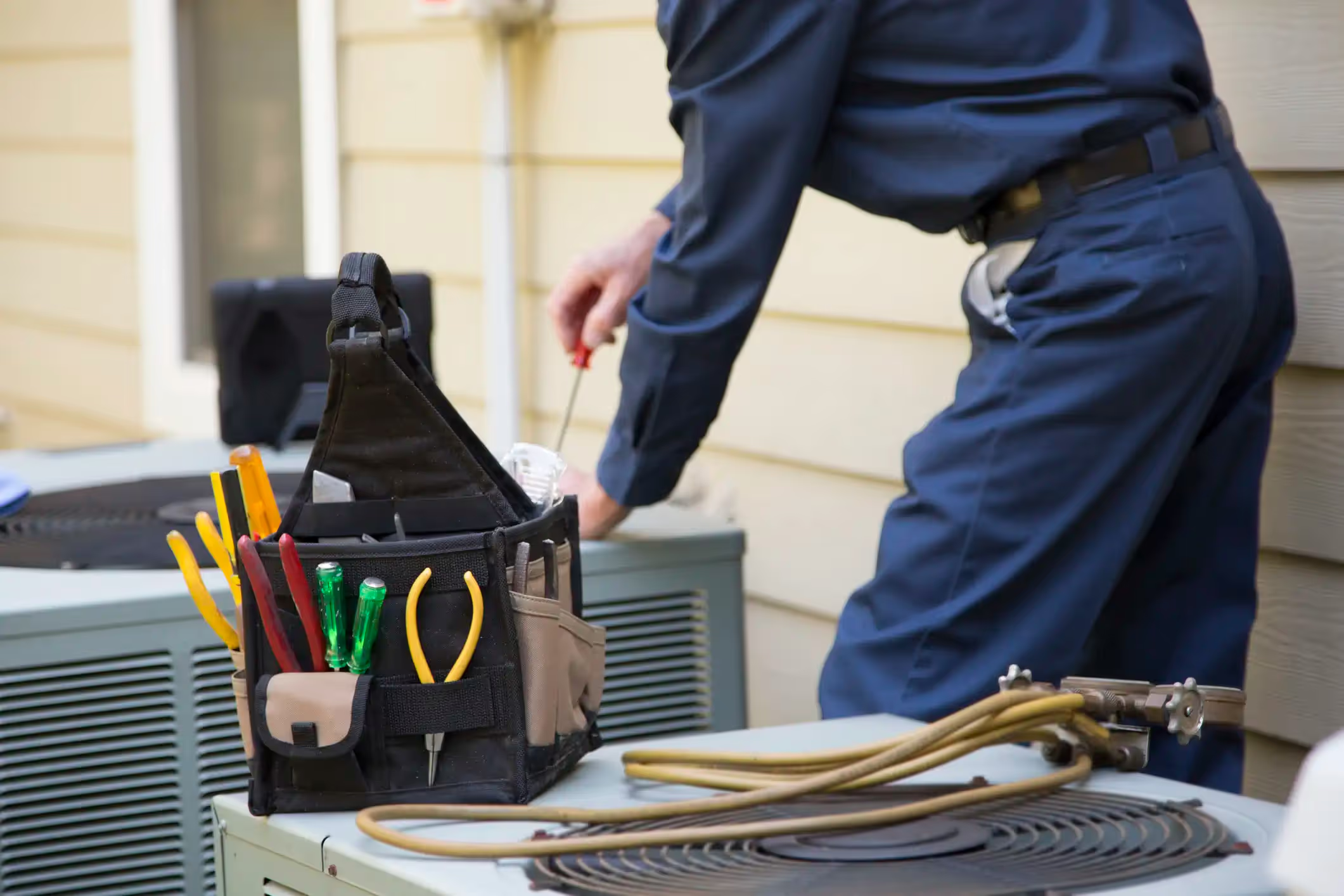
Technicians arrive in vehicles stocked with common parts, including motors, capacitors, and contactors. This preparation minimizes the need for follow-up visits and ensures that most repairs can be completed immediately after the diagnostic process.
The Repair Workflow: What to Expect
Professional AC repair follows a logical, step-by-step process designed to respect your time and property while delivering a technical solution. Understanding this workflow helps homeowners know exactly what is happening from the moment a request is made until the cool air returns.
- Arrival and Site Protection: The process begins with the arrival of a uniformed technician. Respect for your property is paramount; technicians wear shoe covers and use drop cloths to protect flooring during the inspection of indoor units.
- System Diagnosis: The technician listens to your description of the problem—whether it is a strange noise, a lack of cool air, or short cycling. Using specialized gauges and meters, they test the system’s pressure, temperature, and electrical draw to isolate the fault.
- Upfront Explanation and Quote: Once the issue is identified, you receive a clear explanation of what is broken, why it failed, and what is required to fix it. You are presented with a flat-rate price for the repair. There are no hidden fees or surprise hourly charges added later. Work only begins after you approve this quote.
- Execution of Repair: The technician performs the necessary repairs, whether that involves brazing a refrigerant line, replacing a fan motor, or cleaning a frozen coil.
- System Testing and Verification: After the repair is physically complete, the system is not just turned on; it is tested. The technician measures the temperature difference between the supply and return air (the "delta T") to ensure the unit is cooling effectively. They also check amp draws to ensure the motor is running within safe limits.
- Final Walkthrough: The technician explains what was done, provides tips on maintaining the repair, and ensures the work area is left clean.
Troubleshooting Common AC Symptoms
Homeowners often notice specific symptoms before a total system failure occurs. Recognizing these signs early allows for intervention before the damage becomes catastrophic or the compressor—the heart of the system—fails completely.
Insufficient Airflow
If the air coming from your vents is weak, the compressor might be working, but the blower fan is struggling to push air through the ductwork. This can be caused by a failing blower motor, a clogged air filter restricting intake, or issues with the ductwork itself. Restricted airflow puts immense strain on the system, often leading to frozen evaporator coils.
Warm Air from Vents
If the thermostat is set to cool but the air coming out is warm, the issue likely lies with the compressor or the refrigerant levels. If the compressor is not running, the system acts like a fan, circulating room-temperature air. This requires immediate professional attention to check the capacitor and compressor health.
Loud or Strange Noises
Air conditioners should run relatively quietly. Specific noises indicate specific problems:
- Grinding or squealing: Usually indicates a problem with motor bearings or a belt that has slipped (in older units).
- Hissing: A strong indicator of a refrigerant leak or high internal pressure.
- Clicking: Frequent clicking at startup often points to an electrical issue where the system is trying to engage but failing.
Water Leaks
Moisture around the indoor unit is never normal. While AC units produce condensation, this water should drain away automatically. Water pooling on the floor suggests a blocked condensate drain or a rusted drain pan. In extreme cases, it indicates the unit is freezing up and melting.
Repair vs. Replacement: Making the Right Decision
One of the most difficult decisions homeowners face is determining when a unit is no longer worth repairing. While Martin's Heating & Air Conditioning focuses on restoring your current system whenever possible, there are mathematical and practical limits to when a repair is the best investment.
- The 50% Rule: A general guideline used in the industry is the 50% rule. If the cost of the necessary repair approaches 50% of the cost of a new system, replacement is often the more financially sound choice. Putting a significant amount of money into an aging asset that may break down again soon is rarely advisable.
- Age of the System: Most central air conditioning systems have a lifespan of 10 to 15 years. If your unit is over 12 years old and requires a major repair—such as a compressor replacement—it is usually time to consider a modern, more efficient unit — view our promotions. Systems in this age range are also likely to use older refrigerants (like R-22), which are phased out and expensive to replenish.
- Frequency of Breakdowns: If you have required multiple repairs in the last two years, the system is likely becoming unreliable. The cumulative cost of frequent service calls, combined with the inconvenience of downtime, often outweighs the monthly cost of a new, warrantied system.
- Energy Efficiency Impact: Older systems often have SEER (Seasonal Energy Efficiency Ratio) ratings of 10 or 12. Modern systems start at SEER 14 and go much higher. By continuing to repair an inefficient unit, you are also committing to higher monthly utility bills. Replacing a low-SEER unit with a high-efficiency model can sometimes offset the monthly cost of the new equipment through energy savings.
Regional Considerations for AC Performance
Operating an air conditioning system in Chauvin presents specific challenges due to the local climate. The intense humidity and heat load in this region mean that AC units work harder and longer than in cooler parts of the country. This constant operation accelerates wear and tear on mechanical parts.
Humidity Control
In this region, an AC unit does more than just lower the temperature; it is the primary dehumidifier for the home. If a system is short-cycling (turning on and off too quickly), it cools the air but fails to remove humidity. This leaves the home feeling clammy and can promote mold growth. Repairs often focus on ensuring the system runs long enough to pull moisture out of the air effectively.
Condensate Line Maintenance
The high humidity results in significant condensation production. The wet environment inside the drain line is a breeding ground for algae and biological growth, which can form clogs quickly. Local service protocols emphasize clearing these lines to prevent water backups that are common during the height of summer.
Salt and Corrosion
While not immediately on the coast, the regional air content can still accelerate corrosion on outdoor condenser coils. Technicians check the condition of the fins and coils to ensure they are not disintegrating, which would ruin the unit's ability to disperse heat.
Electrical Grid Fluctuations
Summer storms and high demand on the local grid can lead to voltage fluctuations. These power surges or brownouts can damage sensitive capacitors and compressor windings. Verifying that the system’s electrical grounding and surge protection are intact is a critical part of the local service checklist.
Why Professional Service Matters
Choosing the right provider for AC repair ensures that the investment you make in your home’s comfort is protected. High-quality service is defined by technical expertise, transparency, and a commitment to long-term results rather than quick patches.
- Certified Technical Expertise: Modern HVAC systems are sophisticated. They utilize advanced electronics, variable-speed motors, and specific refrigerant blends. Repairs performed by unlicensed or untrained individuals can void manufacturer warranties and compromise safety. Professional technicians undergo rigorous training to stay updated on the latest diagnostic techniques and code requirements.
- Proper Tools and Equipment: Diagnosing a complex issue requires more than a screwdriver. Professionals utilize digital manifolds, psychrometers, and combustion analyzers to get precise readings. This ensures that the system is tuned to the exact manufacturer specifications, maximizing efficiency and lifespan.
- Warranty Protection: Reputable service providers stand behind their work. When a repair is completed, it should come with a warranty on both the parts and the labor. This provides peace of mind that if the specific component fails again within the warranty period, you are covered.
- Safety Compliance: Working with high-voltage electricity and pressurized refrigerants carries inherent risks. Professional protocols ensure that all repairs are conducted safely, protecting your home and family from electrical hazards or chemical leaks. Adherence to safety standards is a non-negotiable aspect of professional repair work.
Restoring Your Comfort
A broken air conditioner disrupts your life, impacts your sleep, and makes your home unlivable during the summer months. You need a solution that is fast, reliable, and performed by experts who understand the specific demands of the local climate. From the moment the diagnostic begins to the final system test, the focus remains on restoring efficiency and cool air to your living space.
Don't let the heat compromise your safety or comfort. Trust the experts at Martin's Heating & Air Conditioning to deliver the precise repairs your system needs to handle the weather. Contact us today to schedule your AC repair service.
Talk to a Local HVAC Expert
.avif)