Electric Panel Upgrade & Replacement in Mathews, LA
Electrical panel upgrades in Mathews to boost safety and capacity. Contact Martin's Heating & Air for an evaluation, clear pricing, and installation today.
Is Your Home's Electrical System Showing Signs of Failure?
Dealing with lights that flicker constantly, breakers that trip every time you run the microwave, or a panel that feels warm to the touch creates unnecessary stress for homeowners. If these electrical inconsistencies sound familiar, contact us today or inquire about our financing options to secure a safer, more reliable power system immediately.
In Mathews, LA, older homes often struggle to keep up with the electrical demands of modern appliances, HVAC systems, and electronics. An outdated breaker box is more than just an inconvenience; it represents a potential fire hazard and a significant efficiency bottleneck. Upgrading your electrical panel is the definitive solution to power fluctuations and capacity issues.
- Ensure total safety and code compliance: Replace obsolete equipment with a modern, code-approved load center that eliminates fire risks.
- Stabilize your power supply: Eliminate flickering lights and tripped breakers by installing a system capable of handling high-demand modern electrical loads.
- Fast, efficient project turnaround: Receive a professional installation designed to minimize power interruptions so you can return to your routine quickly.
- One-line reassurance: All installations are fully licensed, insured, and performed in strict compliance with local Mathews building codes.
What You Get With a Panel Upgrade
When you schedule an electrical panel replacement, you are purchasing a complete overhaul of your home’s energy distribution center. This is not merely swapping out a metal box; it is a recalibration of how electricity enters and flows through your property. The primary goal is to increase the amperage capacity—typically moving from an outdated 60 or 100-amp service to a robust 200-amp service—which allows you to run central air conditioning, electric vehicle chargers, and high-end appliances simultaneously without overloading the system.
A standard upgrade package includes the removal of the existing panel and the installation of a new, premium-grade load center. This includes a new main breaker that acts as the primary shutoff for the entire home, ensuring you have an accessible emergency disconnect. We also install new circuit breakers for every circuit in the house. Old breakers weaken over time and may fail to trip during a surge, or trip too easily. New breakers provide precise protection.
The scope also covers the essential infrastructure outside the box. This includes upgrading the grounding system to meet current safety standards. Proper grounding is critical for diverting excess electricity away from your appliances and family during a surge. Additionally, the service includes clear, typed labeling of the new panel directory. You will no longer have to guess which switch controls the kitchen and which controls the bedroom; every circuit will be clearly identified for your convenience.
Martin's Heating & Air Conditioning ensures that the entire assembly, from the weather head on the roof (where utility lines connect) to the meter socket and the panel itself, is inspected and brought up to standard. If the meter base is corroded or damaged—a common issue in humid climates—it gets replaced as part of the project to ensure a seamless connection with the utility grid.
The Installation and Replacement Process
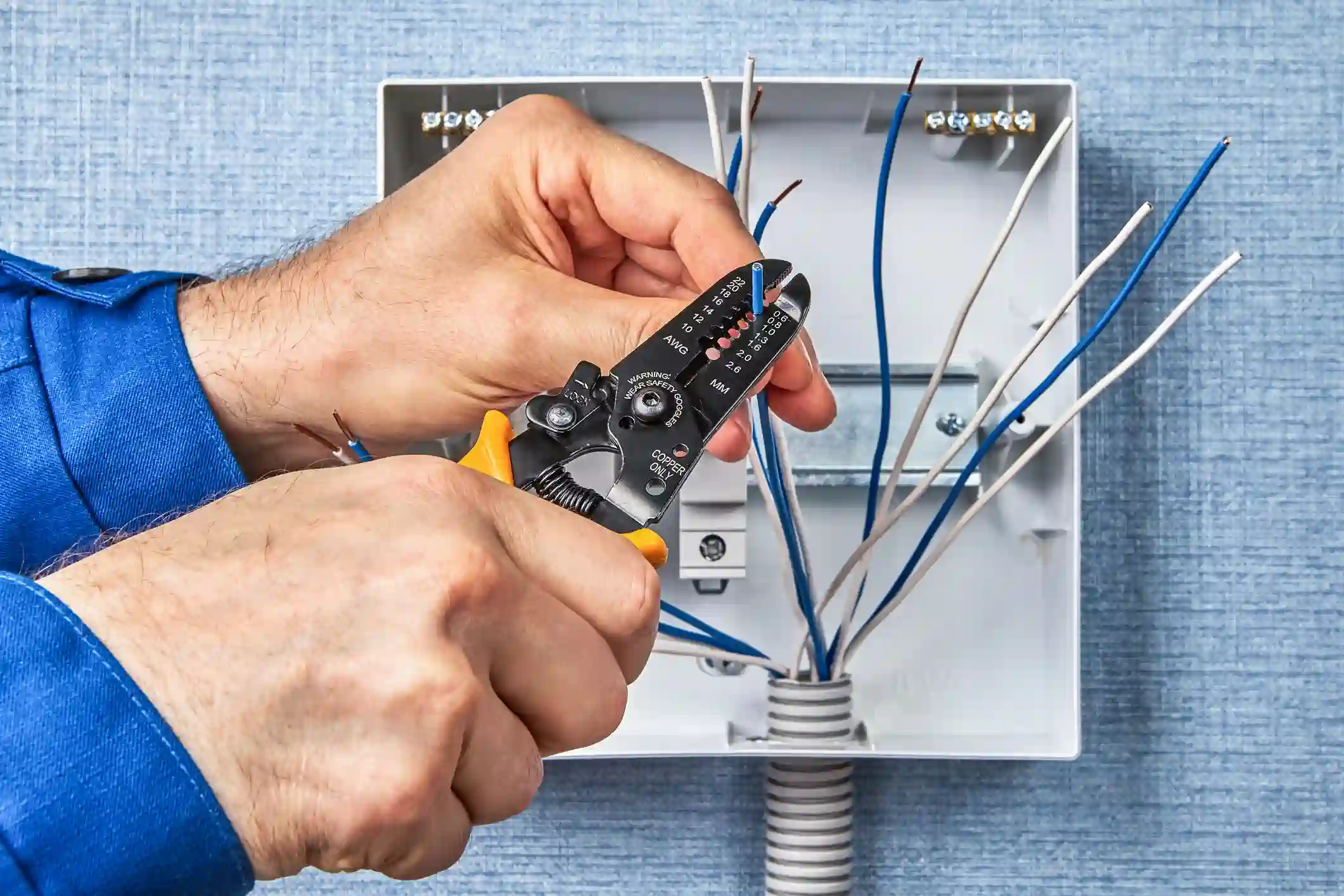
Replacing an electrical panel is a technical process that requires coordination, precision, and adherence to strict safety protocols. We handle the logistics so you do not have to worry about the technical details.
- Initial Assessment and Load Calculation: The process begins with a thorough audit of your current electrical usage and future needs. We calculate the total electrical load your home requires, factoring in square footage, HVAC size, and major appliances to determine the correct panel size.
- Permitting and Utility Coordination: Before any physical work begins, we secure the necessary electrical permits required by local authorities in Mathews. We also coordinate with the local utility provider to schedule the temporary disconnection of power, which is required to safely replace the equipment.
- Site Preparation and Protection: On the day of installation, the work area is prepped to protect your home. Technicians ensure clear access to the panel location and cover surrounding areas to prevent dust or debris accumulation.
- Utility Disconnect and Removal: Once the utility company disconnects the power at the service drop, we remove the old electrical meter and the outdated panel. This involves carefully disconnecting all existing branch circuits and removing the obsolete enclosure from the wall.
- Mounting the New System: The new electrical panel is mounted securely and leveled. If necessary, the service entrance cable—the large wire bringing power from the meter to the panel—is replaced to match the new amperage capacity.
- Circuit Reconnection and Organization: This is the most time-consuming step. Each existing wire is inspected for damage. We then reconnect the branch circuits to the new breakers. Wires are routed neatly within the box to allow for heat dissipation and future maintenance.
- Grounding and Bonding: We install or upgrade the grounding electrode system. This usually involves driving copper ground rods into the earth outside your home and bonding gas and water pipes to the electrical system to prevent shock hazards.
- Labeling and Testing: Once everything is connected, we label the circuit directory accurately. Power is then restored by the utility company. We perform a series of tests to ensure every outlet and switch in the home is receiving the correct voltage and that the system is stable.
- Final Inspection: A local electrical inspector reviews the work to certify that the installation meets all National Electrical Code (NEC) and local safety standards.
When Replacement Beats Repair
Homeowners often ask if they can simply repair a malfunctioning panel or replace a single bad breaker. While minor repairs are possible in newer systems, there are distinct scenarios where full replacement is the only financially and safety-conscious decision.
- The Panel is Older Than 25 Years: Electrical panels have a lifespan. If your home was built before the 1990s and the panel has never been updated, internal components are likely degrading. Bus bars corrode, and connections loosen, creating "hot spots" that can spark fires.
- Presence of Federal Pacific or Zinsco Panels: Certain brands of panels installed between the 1950s and 1980s, specifically Federal Pacific Electric (FPE) Stab-Lok and Zinsco (or GTE-Sylvania), have documented design flaws. These breakers are known to jam in the "on" position, failing to trip during a short circuit. If you have one of these brands, immediate replacement is necessary for insurance and safety reasons.
- Fuse Boxes: If your home still operates on a fuse box with screw-in fuses, it is obsolete. Fuse boxes are not designed for modern electronics and often lead to homeowners using incorrect fuse sizes, which creates a significant fire risk.
- Evidence of Burning or Arcing: If you see scorch marks on the panel, smell burning plastic near the breaker box, or hear buzzing or crackling sounds, repair is rarely sufficient. These signs indicate that the internal insulation or bus bars have been compromised by heat damage.
- Renovation and Appliance Upgrades: Adding a hot tub, a renovated kitchen with high-end appliances, or a central HVAC system often pushes an old 100-amp panel beyond its limit. If you are constantly juggling which appliances to run to avoid tripping a breaker, a repair will not solve the capacity issue; only an upgrade will.
- Double-Tapped Breakers: When you open a panel and see two wires connected to a single breaker screw (double-tapping), it indicates the panel is out of space. While "cheater" breakers exist, a full upgrade corrects this overcrowding and ensures every circuit has its own dedicated protection.
Regional Considerations for Electrical Systems
Operating an electrical system in Mathews, LA, presents specific challenges due to the local climate and environmental factors. Standard equipment often degrades faster here than in drier regions, making specialized attention to detail critical during installation.
- Humidity and Corrosion: High humidity levels and proximity to water accelerate the corrosion of electrical components. We frequently see rust on panel enclosures and oxidation on aluminum service entrance cables. When upgrading, we use weather-resistant materials for outdoor meter sockets and ensure proper sealing to prevent moisture ingress that leads to premature failure.
- Hurricane Season Readiness: The hurricane season from June to August brings heavy storms and potential power surges. An upgraded panel provides a solid foundation for whole-home surge protection devices, which are highly recommended in this region to protect appliances from lightning-induced spikes and grid fluctuations — check our current promotions for savings.
- Local Utility Requirements: Coordinating with Entergy or other local utility providers requires knowledge of their specific service spot requirements. We handle all communication regarding meter pulls and reconnects, ensuring that the downtime is minimized and scheduled according to local utility availability.
- Permitting Compliance: Mathews has specific requirements regarding grounding and service entrance heights to account for potential flooding or environmental factors. Martin's Heating & Air Conditioning ensures every installation adheres strictly to these local amendments to the National Electrical Code.
Why Professional Installation is Mandatory
Electrical panel upgrades are not DIY projects. The risks associated with improper installation include electrocution, electrical fires, and the potential voiding of your homeowner's insurance policy.
- Insurance and Resale Value: Insurance companies often inspect electrical panels before writing a new policy. An unpermitted or amateur installation can make a home uninsurable. Conversely, a professionally installed, permitted panel upgrade increases home value and is a major selling point for potential buyers who want a move-in-ready property.
- Load Balancing Expertise: Simply plugging wires into breakers is not enough. A professional ensures the electrical load is balanced evenly between the two phases of power entering your home. Imbalanced loads can cause voltage drops, overheating, and inefficient operation of motors in appliances like refrigerators and washing machines.
- Safety Guarantees: Licensed professionals carry the liability and provide warranties on workmanship. If a connection loosens or a breaker fails within the warranty period, you have recourse. With DIY or handyman work, you are solely responsible for any damage caused to your home’s electrical system.
Secure Your Home’s Electrical Future
Your electrical panel is the heart of your home’s functionality. Delaying an upgrade when signs of failure are present risks damage to expensive electronics and compromises the safety of the entire property. A modern panel provides the capacity for today’s lifestyle and the expandability for tomorrow’s technologies.
We provide a comprehensive service that manages every aspect of the transition, from permitting to the final flip of the switch. Trust Martin's Heating & Air Conditioning to deliver a robust, code-compliant electrical system that stands up to the demands of your household and the local climate. Stop worrying about your electrical system and start enjoying consistent power. Contact us today to schedule your electrical panel evaluation.
Talk to a Local HVAC Expert
.avif)