
Mini Split Service in Lockport, LA
Get expert mini-split service in Lockport LA from Martin’s A/C & Electric. Improve efficiency restore comfort and schedule service today.
Restore Efficiency to Your Malfunctioning Ductless System
Experiencing issues with your ductless mini-split system in the humid subtropical climate of Lockport can be distressing, especially when high humidity levels threaten your indoor comfort. Don’t sweat it—our expert technicians are here to restore your comfort quickly; contact us today to schedule a diagnostic visit or inquire about our flexible financing options.
Martin's Heating & Air Conditioning understands that when a zoned cooling system fails, you need immediate results, not excuses.
- Receive prompt, reliable service today from experienced professionals who understand ductless technology.
- Benefit from direct, straightforward pricing with no hidden fees or surprise costs.
- Ensure your system operates efficiently with our comprehensive maintenance checks that address local humidity factors.
- All services are backed by a robust warranty and flexible financing options for unexpected repairs.
Comprehensive Diagnostics and Repair Services Available Today
When you request service for a mini-split, you need a technician who specializes in inverter-driven technology, not just general HVAC. Ductless systems rely on sophisticated electronics and precise refrigerant levels to maintain efficiency. A standard service visit begins with a thorough evaluation of the entire system, from the indoor air handlers to the outdoor condenser unit.
The scope of service includes immediate troubleshooting of communication errors between the indoor and outdoor units. Unlike central air systems, mini-splits use complex circuit boards to communicate heating and cooling demands. If your unit is blinking error codes or failing to respond to the remote, the issue often lies within the control board or wiring connections. Technicians arrive equipped to read these proprietary codes and pinpoint the electrical fault immediately.
Refrigerant leak detection is another critical component of the service visit. Mini-splits require exact refrigerant charges to function. Even a minor leak can cause the compressor to overheat or the indoor coils to freeze. The service involves pressure testing the lines and inspecting flare connections, which are common leak points in ductless setups. Once the leak is identified and repaired, the system is recharged to manufacturer specifications to ensure optimal cooling capacity.
Deep cleaning is often required alongside repairs. In humid environments, the blower wheel inside the wall unit can accumulate mold and dust, causing airflow restrictions and unpleasant odors. A professional service includes disassembling the cabinet to access and clean the blower wheel and evaporator coil, restoring proper airflow and air quality.
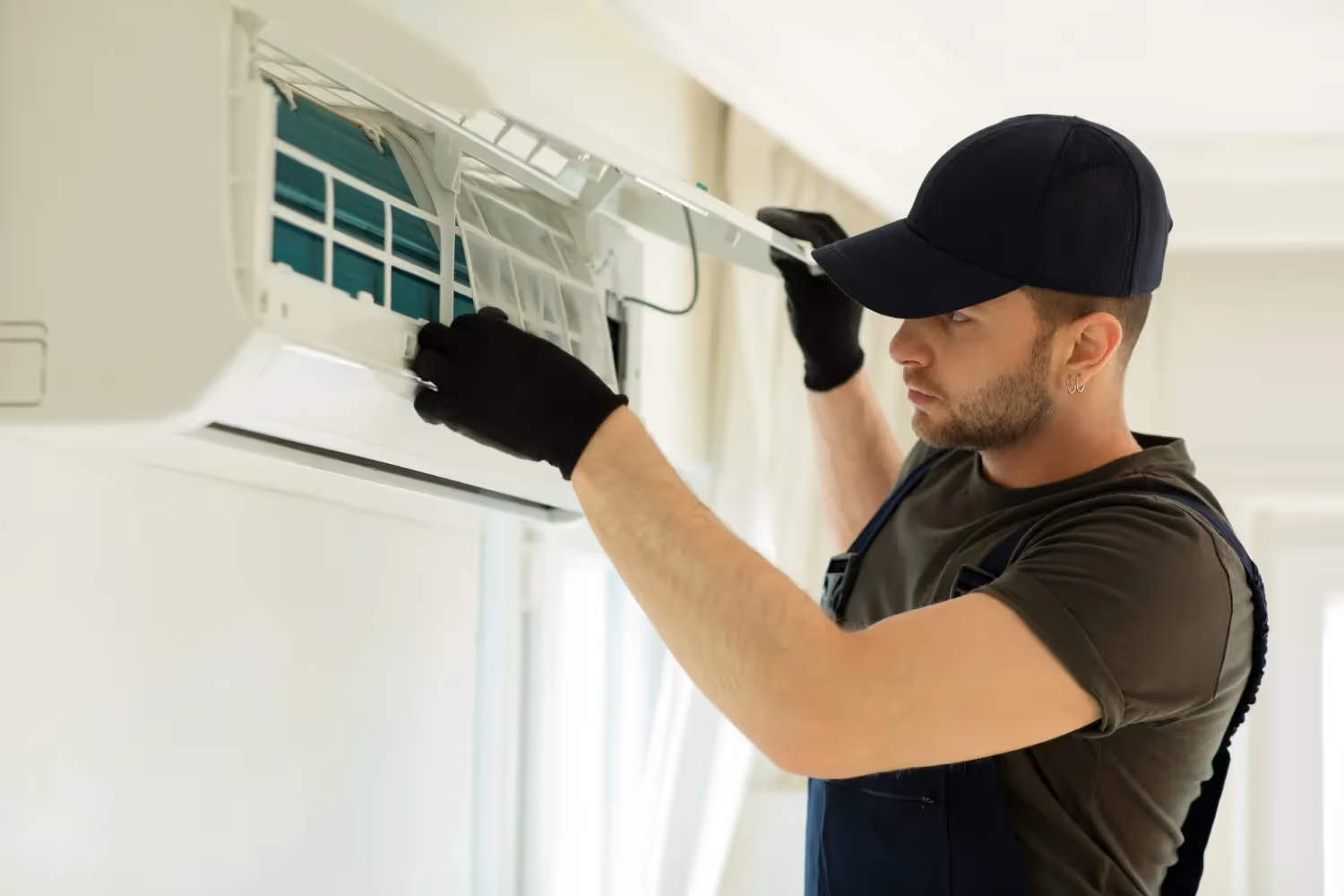
The Step-by-Step Service and Repair Process
Understanding the workflow helps you prepare for the technician's arrival and eliminates uncertainty about the repair timeline. The process is designed to be non-intrusive and efficient, respecting your home while getting the job done.
Initial Assessment and Error Code Reading
The process starts with the technician powering up the system to observe its behavior. They will check the remote control functionality and read any error codes displayed on the indoor unit. This digital diagnosis provides a roadmap to the specific internal failure, whether it is a thermistor issue, a fan motor failure, or a communication break.
Electrical and Mechanical Inspection
Technicians then isolate the power to inspect the electrical components safely. They check voltage stability, capacitor health, and the condition of the inverter board. On the mechanical side, they inspect the compressor for proper amperage draw and listen for irregular sounds that indicate wear. This step ensures that the root cause is addressed, not just the symptom.
Condensate Drain Clearing
Water leakage is a frequent issue with mini-splits. The service process includes testing the condensate drain line for blockages. Technicians use compressed air or vacuum methods to clear algae or debris that may be backing up water into the wall unit. Ensuring the unit drains properly is vital to preventing water damage to your drywall or flooring.
Performance Testing and Calibration
After the necessary repairs are made, the system is not just turned on; it is stress-tested. The technician measures the temperature differential—the difference between the air entering the unit and the air blowing out. This confirms that the unit is cooling or heating at maximum capacity. They also verify that the vanes move correctly and that the unit responds instantly to remote commands.
Deciding When to Repair or Replace Your Mini-Split
Homeowners frequently face the dilemma of sinking money into an aging unit or investing in a new system. Making the right financial decision requires analyzing the age of the unit, the cost of the repair, and the efficiency of the current technology.
Consider replacement if your system utilizes R-22 refrigerant. This older refrigerant is phased out and incredibly expensive to source. If your unit has a leak and uses R-22, the cost to recharge it often approaches the price of a down payment on a modern, R-410A or R-32 system. Modern units also offer significantly higher SEER ratings, which translate to monthly energy savings that can offset the installation cost over time.
Evaluate the "50% Rule." If the cost of the repair equals or exceeds 50% of the value of a new system, replacement is generally the smarter financial move. This is particularly true if the compressor or the main inverter board has failed, as these are the most expensive components to replace; consider investing in a new system instead.
Think about the frequency of breakdowns. If you have required service more than twice in the last year for different issues, the system is likely reaching the end of its lifespan. Constant repairs indicate that internal components are failing in succession. A new system provides the peace of mind of a fresh warranty, whereas a repair only guarantees that specific part.
Assess the availability of parts. Martin's Heating & Air Conditioning can source parts for most major brands, but as units age past the 12-15 year mark, manufacturers may discontinue specific control boards or motors. If sourcing a part takes weeks due to obsolescence, replacing the unit ensures you are not left without climate control during peak weather.
Managing Humidity and Environmental Factors in Lockport
Operating a ductless system in Lockport requires specific attention to local environmental challenges. The high humidity levels common in this region place a heavy latent load on air conditioning equipment. Mini-splits are excellent at dehumidification, but only when they are sized correctly and maintained properly.
Mold and Bacterial Growth Prevention
The combination of heat and moisture creates an ideal breeding ground for mold inside the dark, cool interior of a mini-split air handler. Unlike central systems where the ducts are hidden, the "lungs" of a mini-split are right on your wall. Regular professional cleaning is non-negotiable here. Failure to clean the blower wheel can lead to the distribution of spores throughout the room, degrading indoor air quality.
Drainage Management
During the heavy rainfall seasons and peak summer humidity, your mini-split removes a significant amount of moisture from the air. This condensate must drain away freely. In this region, algae grow rapidly in drain lines, leading to clogs. A service visit ensures that the drain line is pitched correctly and free of organic buildup to prevent water from overflowing the drain pan and damaging interior walls.
Corrosion and Storm Protection
Outdoor units in this area are exposed to heavy rain and potential salt spray depending on proximity to water. Corrosion on the condenser fins can reduce the unit’s ability to release heat, causing the system to work harder and increasing electricity bills. Service includes inspecting the outdoor coil for corrosion and applying protective coatings if necessary. Additionally, proper anchoring is checked to ensure the lightweight outdoor units remain secure during tropical storm conditions.
Voltage Irregularities
Summer storms often bring lightning and power surges. Mini-split systems are inverter-driven, meaning they rely heavily on sensitive computer boards to convert AC power to DC. These boards are highly susceptible to voltage spikes. A service check often involves inspecting the surge protector (if installed) or recommending one to safeguard the expensive internal electronics from grid fluctuations common during storm season.
Why Professional Troubleshooting Beats DIY Attempts
While it may be tempting to troubleshoot a mini-split yourself, these systems are far more complex than traditional window units or standard central air conditioners. They utilize high-voltage DC current and proprietary communication protocols that require specialized tools to diagnose safely.
DIY attempts often miss the underlying cause. For example, a homeowner might clean the filters thinking it will solve a cooling issue, missing a slow refrigerant leak that is slowly destroying the compressor. Without gauges to measure superheat and subcooling, it is impossible to know if the charge is correct.
Incorrect handling of electronics can fry the mainboard. The inverter board holds a significant electrical charge even after the power is turned off. A professional technician knows how to discharge these capacitors safely before touching the internal components. One slip with a multimeter by an untrained person can short out the entire system, turning a repairable unit into total scrap.
Warranty preservation is another critical factor. Most manufacturers require proof of professional maintenance to honor parts warranties. If a compressor fails and the manufacturer sees evidence of amateur tampering or lack of maintenance, they may deny the claim. Professional service ensures a paper trail of qualified maintenance that protects your investment.
Ensuring Long-Term Performance and Comfort
Maintaining a ductless mini-split is about more than just fixing immediate breaks; it is about extending the life of your investment and keeping your energy bills low. Regular professional attention ensures that the sophisticated sensors and variable-speed motors function in harmony, providing the precise temperature control that mini-splits are known for.
Ignoring minor noises or water drips can lead to catastrophic failures during the hottest weeks of the year. Addressing these signs early through professional service prevents emergency breakdowns and keeps your home cool and dry, regardless of the humidity outside. Trusting a qualified team guarantees that every connection is tight, every voltage reading is within range, and every drain line is clear.
When you need expert attention for your ductless system, rely on a team that understands the specific challenges of the local climate and the intricacies of inverter technology. Martin's Heating & Air Conditioning provides the expertise required to keep your system running smoothly year-round.
Don't let a malfunctioning unit compromise your indoor environment—schedule your service now to ensure reliable, efficient cooling.
Talk to a Local HVAC Expert

.avif)